Crypto
Connecticut state police recover $63,500 in cryptocurrency scam – Newport Dispatch


MERIDEN — Connecticut State Police and the Statewide Prosecution Bureau successfully returned more than $63,500 to the victim of a cryptocurrency scam, officials announced Wednesday.
The recovery stems from a complaint received in April by the Connecticut State Police Statewide Organized Crime Investigative Task Force and Cryptocurrency Working Group.
A Cheshire resident reported losing over $68,000 worth of cryptocurrency after falling victim to a phishing scheme involving an unsolicited offer for new tokens.
CSP detectives used blockchain analytics to trace the stolen funds to the suspect’s digital wallet, which still contained most of the cryptocurrency.
Authorities seized more than $63,500 worth of the stolen funds using appropriate legal measures.
A motion for the return of seized property to the rightful owner was filed at Meriden Superior Court.
The investigation, which is ongoing, has identified multiple victims across the United States.
The CSP Cryptocurrency Working Group urged residents to avoid engaging with unsolicited offers for cash, cryptocurrency, or investments from unknown sources.
They advised against sharing personal or financial information with individuals contacting via text message, phone call, email, or social media.
Potential fraud victims are encouraged to contact [email protected].



Cryptocurrency laundering was an $82 billion problem last year, Bloomberg News reported Tuesday (Jan. 27), citing data from blockchain analysis firm Chainalysis.


Caitlin Clark to serve as analyst ahead of Lakers-Knicks game on NBC’s ‘Basketball Night in America’ debut

Free trade or fair play? MEPs go head-to-head on Mercosur in The Ring
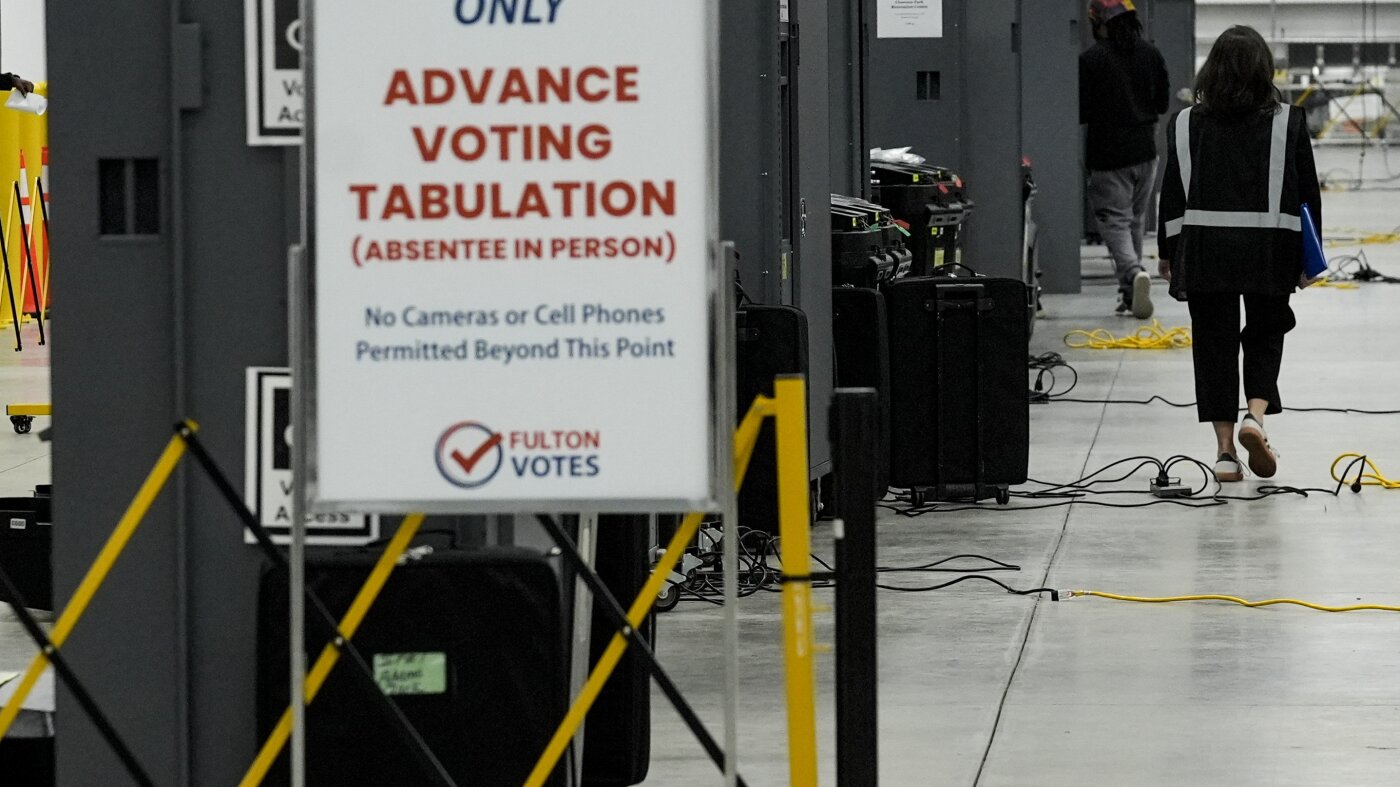
The FBI conducts a search at the Fulton County election office in Georgia

Knife-wielding nut allegedly asked Christian his religion – then stabbed him and dog before police shot him

House Republicans blast Noem impeachment resolution as ‘partisan stunt,’ as Dems fail to reach across aisle

Florida High School Football Rankings: Top 25 teams – Oct. 21

Cleary's 21 help Le Moyne down Central Connecticut State 69-64 in OT

How old is Bo Nix? What to know about Oregon quarterback ahead of 2024 NFL Draft

99th annual Pony Swim held in Virginia

Indiana Members Credit Union announced as new anchor tenant at Bottleworks District
Free trade or fair play? MEPs go head-to-head on Mercosur in The Ring
The FBI conducts a search at the Fulton County election office in Georgia

Graham pushes back on Tillis’ criticism of Noem, Miller for labeling man killed by Border Patrol a ‘terrorist’

North Korea’s Kim to outline plans to boost nuclear arsenal

Rep. Ilhan Omar rushed by man on stage and sprayed with liquid at town hall event
-

 Illinois6 days ago
Illinois school closings tomorrow: How to check if your school is closed due to extreme cold
-

 Pittsburg, PA1 week ago
Sean McDermott Should Be Steelers Next Head Coach
-

 Pennsylvania2 days ago
Rare ‘avalanche’ blocks Pennsylvania road during major snowstorm
-

 Lifestyle1 week ago
Nick Fuentes & Andrew Tate Party to Kanye’s Banned ‘Heil Hitler’
-

 Sports1 week ago
Miami star throws punch at Indiana player after national championship loss
-

 Cleveland, OH1 week ago
Northeast Ohio cities dealing with rock salt shortage during peak of winter season
-

 Technology6 days ago
Ring claims it’s not giving ICE access to its cameras
-
 Science1 week ago
Contributor: New food pyramid is a recipe for health disasters