Health
Can wearables detect heart problems early? Doctor breaks down real data


NEWYou can now listen to Fox News articles!
From tracking sleep and steps to monitoring heart rate, temperature and stress levels, wearable devices like smartwatches and rings are growing in popularity as wellness tools.
Fox News’ Brian Kilmeade recently used one of these — an Oura ring — to track his metrics from the early morning hours through a demanding work schedule and reported the results live on “Fox & Friends.”
“I just got four hours and one minute [of sleep], but I have some REM sleep, 14%, over 20% of deep sleep. Feeling pretty good, I feel pretty fresh,” Kilmeade shared during his first early morning update, reviewing the stats from his ring.
HIDDEN SLEEP DANGER COULD INCREASE RISK OF 172 DISEASES, MAJOR STUDY REVEALS
Throughout the day, the wearable tracked his physiological responses to various environments, from the stress of a live television broadcast to the physical exertion of a workout.
Wearable devices are changing cardiology’s landscape, helping detect conditions like atrial fibrillation early, a cardiologist said. (iStock)
Kilmeade observed the data in real time, noting, “You see the stress level spike just a little bit … as I make my way over to radio, my activity is going to pick up.”
By the end of his day, which included a trip to West Point and hours spent in a car, the device provided a summary of Kilmeade’s activity levels and heart rate stability.
ARTHUR C. BROOKS DISCUSSES HOW TO FIND MEANING AND HAPPINESS IN A TECH-DRIVEN WORLD
Dr. Craig Basman, a New Jersey cardiologist, joined the program to interpret the data and discuss the clinical implications of such technology.
CLICK HERE FOR MORE HEALTH STORIES
Basman immediately addressed Kilmeade’s limited rest. “Well, I don’t think you have to be a cardiologist to diagnose him with suboptimal sleep,” he said.
The cardiologist urged users to treat the data as a catalyst for lifestyle changes. (iStock)
However, the doctor highlighted the broader potential of these tools, explaining that “these wearable devices are changing the landscape of cardiology” and that “the future is bright, not just for preventative care … but also screening and detection of actual cardiovascular pathology.”
CLICK HERE TO SIGN UP FOR OUR HEALTH NEWSLETTER
The cardiologist urged users to treat the data as a catalyst for lifestyle changes, noting that he wouldn’t recommend detection tools unless you’re “going to do something about it.”
TEST YOURSELF WITH OUR LATEST LIFESTYLE QUIZ
Regarding the accuracy of the technology, Basman said there is “robust data” to suggest that the numbers are “incredibly accurate” for a lot of the metrics people are viewing, specifically data like resting heart rate and heart rate variability.
Wearable health tech like watches and rings can track sleep, heart rate and stress. (iStock)
He also mentioned that some devices can detect serious conditions like atrial fibrillation, which affects millions and can often go undetected during a standard physical exam.
For younger individuals, wearables can serve as a “great primary prevention tool,” according to the doctor, given that plaque can begin to develop in the arteries as early as the 20s and 30s.
CLICK HERE TO DOWNLOAD THE FOX NEWS APP
For the older population, the devices act more as a “screening tool for actual existing cardiac pathology,” he added.
Anyone concerned about wearable health data should consult a doctor for medical guidance.



Health
Switching from cigarettes to vapes linked to higher risk of major eye diseases, large study finds

US cigarette smoking drops to record low, vaping and nicotine pouch use surges
Fox News medical analyst Dr. Marc Siegel discusses a New England Journal of Medicine study reporting US adult cigarette smoking rates dropped to a record low of 9.9% in 2024. Siegel warns about the addictive nature of vaping and nicotine pouches, which contain high levels of nicotine. He expresses concern over potential GI tract and heart issues, stressing social media’s role in promoting these products to younger generations.
NEWYou can now listen to Fox News articles!
Switching from cigarettes to electronic vapes is often seen as a healthier move, but a massive nationwide study published in the American Journal of Ophthalmology suggests that smokeless alternatives could increase the risk of serious eye diseases compared to quitting nicotine altogether.
Researchers from the Korea University College of Medicine in Seoul, South Korea, analyzed health data from a group of 179,273 adults through the Korean National Health Insurance Service, according to a press release.
All participants had smoked traditional cigarettes between 2011 and 2012 and then quit smoking by 2018 or 2019, they reported.
SINGLE WORKOUT CUTS CRAVINGS, OFFERING NEW HOPE FOR SMOKERS TRYING TO QUIT
To ensure a fair comparison, the researchers paired up participants who shared similar backgrounds, including their age, gender, medical history, existing health conditions and general lifestyle habits.
Switching from cigarettes to electronic vapes is often seen as a healthier move, but a large study suggests it could pose a risk to eye health. (iStock)
This process created a balanced group of 32,316 matched participants, who were divided into two categories: complete quitters who stopped using all nicotine products and those who transitioned to smokeless nicotine products, such as vapes.
The researchers followed the participants for an average of 4.6 years to determine whether they developed eye conditions, including cataracts, glaucoma, age-related macular degeneration, diabetic retinopathy and focus-related eyesight disorders.
5 WAYS TO PRESERVE YOUR VISION AS YOU AGE, ACCORDING TO AN OPHTHALMOLOGIST
Over the tracking period, the group experienced a total of 6,328 major eye disease events. People who quit nicotine entirely had the lowest disease rate in the study, at 41.1 cases per 1,000 person-years (a measure that accounts for both the number of people in the study and how long they were followed).
In comparison, that rate rose to 44 cases for individuals who had switched over to smokeless alternatives like vapes.
The people included in the study were divided into two main categories: complete quitters who stopped using all nicotine products, and switchers who transitioned to smokeless tobacco or nicotine products, like vapes. (iStock)
Ultimately, the data showed that switching to alternative nicotine products carried a steady 7% increased risk of serious eye diseases compared to quitting nicotine completely.
FOOD CHOICES THAT CAN BOOST YOUR VISION AND PROTECT AGAINST EYE DISEASE
Most notably, those who switched faced a 24% higher risk of developing diabetic retinopathy, a condition that damages the blood vessels in the light-sensitive tissue at the back of the eye.
CLICK HERE TO SIGN UP FOR OUR HEALTH NEWSLETTER
Additionally, those who ditched cigarettes for vapes had a 7% higher risk of developing refractive and accommodation disorders, which affect the eye’s ability to focus clearly.
CLICK HERE FOR MORE HEALTH STORIES
“These findings challenge the assumption that substituting noncombustible nicotine or tobacco products for conventional cigarettes is visually harmless,” the researchers noted.
“These findings challenge the assumption that substituting noncombustible nicotine or tobacco products for conventional cigarettes is visually harmless,” the researchers noted. (iStock)
The authors did point out a few limitations of the research. Because this was a study looking back at health insurance data, it cannot definitively prove that vaping directly causes eye damage.
CLICK HERE TO DOWNLOAD THE FOX NEWS APP
Additionally, the study relied on people filling out questionnaires about their own smoking and vaping habits, which can sometimes lead to underreporting or simple memory errors.
TEST YOURSELF WITH OUR LATEST LIFESTYLE QUIZ
Still, the researchers concluded the findings suggest that replacing cigarettes with alternative nicotine products may not eliminate the risk of certain eye diseases.

Use left and right arrow keys to navigate between menu items.
Use escape to exit the menu.
Sign Up
Create a free account to access exclusive content, play games, solve puzzles, test your pop-culture knowledge and receive special offers.
Already have an account? Login

NEWYou can now listen to Fox News articles!
The latest COVID-19 vaccine (2024-2025) has been linked to fewer serious heart-related events among U.S. veterans.
New research confirmed a small reduction in COVID-related cardiovascular events, or COVID-19-associated MACE, due to the vaccine.
MACE (major adverse cardiovascular events) is a composite measure of serious heart-related outcomes. It typically includes cardiovascular death, heart attack and stroke, and may also include hospitalization for heart failure.
VACCINES FOR FLU AND COVID: SHOULD YOU GET BOTH AT THE SAME TIME?
Using health records from the U.S. Department of Veterans Affairs, the researchers compared two groups of veterans — one that received the COVID and flu vaccine on the same day (nearly 350,000 people) and another group that received only the flu vaccine (nearly 700,000 people).
For people older than 75, vaccine effectiveness against COVID-associated MACE was 50.7%. (iStock)
Out of more than one million veterans studied, the average age was about 70 and 92% were male, according to a press release.
Within about eight months, the results showed that those who received the 2024-2025 COVID vaccine had a lower risk of COVID-associated major cardiovascular events, with a relative vaccine effectiveness of 37.7%.
The COVID vaccine was linked to a 57.9% lower risk of cardiovascular death, 38.5% lower risk of heart attack and 41.9% lower risk of hospitalization for heart failure, the researchers stated. The result for stroke was not statistically significant.
SCIENTISTS PINPOINT WHY COVID VACCINE MAY TRIGGER HEART INFLAMMATION IN CERTAIN PEOPLE
The benefit was greatest among adults ages 75 and older and those with underlying health conditions. In people over 75, the vaccine was 50.7% effective at preventing COVID-associated MACE.
As the study was observational, it could not prove cause and effect between the COVID-19 vaccine and lower risk of cardiovascular events, but only highlighted an association.
CLICK HERE FOR MORE HEALTH STORIES
Dr. Glenn Hirsch, cardiologist at National Jewish Health in Denver, Colorado, called these results “not overall surprising” in an interview with Fox News Digital.
After eight months, those who received the 2024-2025 COVID vaccine had a lower risk of COVID-associated major cardiovascular events. (iStock)
“This result is consistent with previous studies of the COVID-19 vaccine and other vaccines against infectious diseases [in] preventing cardiovascular events, including heart attack, cardiovascular cause of death or hospitalizations,” he said.
Acute inflammation in the body from infections like COVID-19 increases the risk of cardiovascular events and can cause further complications, according to the doctor.
CLICK HERE TO SIGN UP FOR OUR HEALTH NEWSLETTER
“This can lead to a higher risk of blood clotting, but can also make arterial plaques susceptible to rupture, which then leads to clot formation to heal a ruptured plaque,” he said. “This clotting can cause a near-total or complete occlusion of an artery, leading to these cardiovascular events.”
“Vaccines either prevent infection or reduce the severity of infection and subsequent inflammation, lowering the cardiovascular risk.”
Acute inflammation in the body from infections like COVID-19 can increase the risk of cardiovascular events, the study suggests. (iStock)
Despite the positive outcome, the overall benefit of the vaccine in this study was less than in previous studies, according to Hirsch, who was not involved in the research.
This could be due to the lower severity of illness seen in more recent COVID-19 variants, as well as immunity from prior infections among unvaccinated people, he noted. There has also been a decline in COVID testing, making it more difficult to link cardiovascular events to the virus.
TEST YOURSELF WITH OUR LATEST LIFESTYLE QUIZ
“The bottom line [is] that there is still evidence of benefit from COVID-19 vaccination like many other infectious disease vaccinations, and people should be encouraged to discuss these with their healthcare team annually,” Hirsch advised.
CLICK HERE TO DOWNLOAD THE FOX NEWS APP
“This is an observational trial and there can always be some confounding after necessary statistical adjustments and other potential benefits or harms, including adverse effects from vaccines that were not investigated in this study,” he added.
-

 Technology4 minutes ago
Fox News AI Newsletter: Waymo’s robotaxi recall
-
Business12 minutes ago
Cisco to lay off more than 400 workers in California
-
 Entertainment14 minutes ago
Tom Sandoval’s girlfriend Victoria Robinson arrested after patio fire pit altercation
-

 Lifestyle20 minutes ago
Swatch Seeks Damages From Samsung Over Trademark Infringement, Ft Reports
-
 Politics27 minutes ago
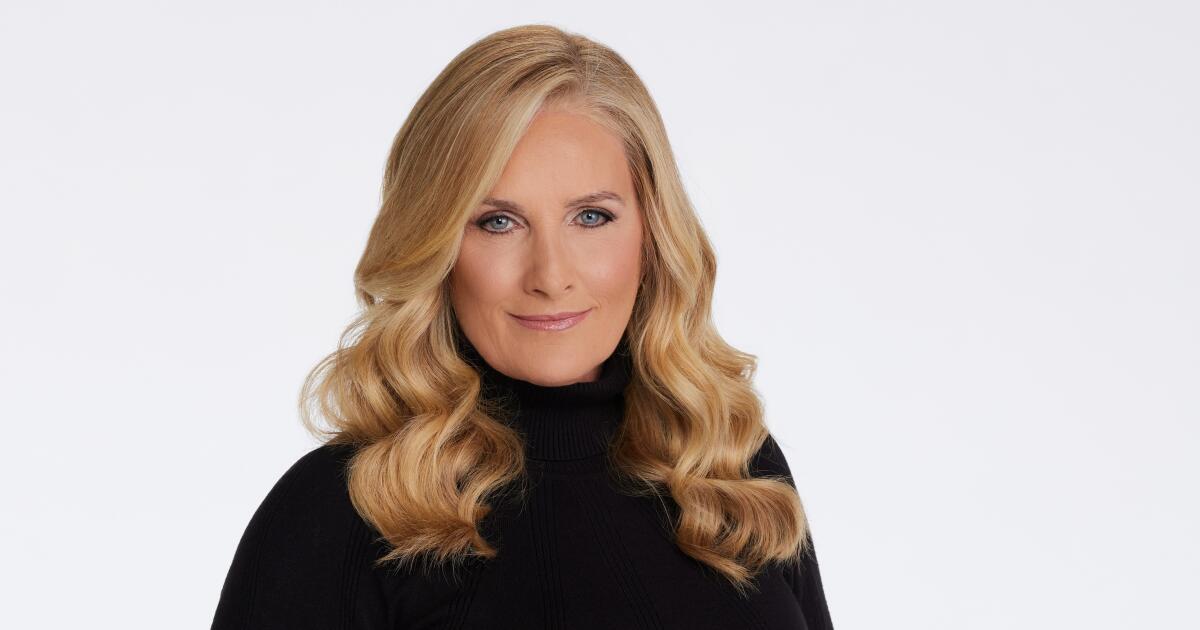
MS NOW anchor Alex Witt to exit as network reduces live weekend programming
-
 Sports34 minutes ago
Parents of ex-NFL player Doug Martin allege excessive force by Oakland police in wrongful death suit
-

 World44 minutes ago
Burkina Faso cuts diplomatic ties with former colonial ruler France
-
 News1 hour ago
A day after Alito’s testy response to Sotomayor’s dissent, court says it was a ‘misunderstanding’


