Colorado
Opinion: Colorado utility commission should not let Xcel Energy rush into a bad deal


The way Colorado pays for electricity is about to change.
Our state is preparing to join a new electricity market that will connect Colorado to an electrical grid that includes many other Western states. This raises a multibillion dollar question: Which electricity market will our leaders choose?
If we choose wisely, Colorado will secure cheaper, cleaner, more reliable energy for decades to come. But there is also a risk that Colorado will take a path that will mean higher electricity bills, less reliable energy for rural communities and missing out on big opportunities from a growing clean energy industry.
As the CEO of La Plata Electric Association and former Colorado state senator who spent 10 years working on Colorado energy policy, I am concerned about Xcel’s proposal at the Public Utilities Commission (PUC) to rush into a bad deal for Coloradans who simply cannot afford higher energy bills; and there is no need to rush when there are better options on the table.
Four years ago, I co-sponsored Senate Bill 21-072, a bipartisan law designed to ensure that Coloradans benefit from efficiencies and cost savings provided by regional electricity markets by requiring all of the state’s electric utilities to join an organized wholesale market no later than 2030.
If done right, electricity markets deliver lower-cost electricity, improve grid reliability, increase access to clean energy resources, and reduce harmful emissions. But not all electricity markets are the same — different markets offer different benefits, and it’s up to Colorado’s energy leaders to conduct a thorough comparative analysis in order to get the best possible deal.
Colorado currently has several electricity market options to choose from, including Markets+ and the Extended Day-Ahead Market, or EDAM. Both allow trading electricity across utility service territories one day ahead, creating efficiencies compared to no trading because it allows utilities that have too much supply to provide this electricity to others that may have too little.
These day-ahead markets are upgrades from status quo, but ultimately a regional transmission organization, or RTO, is where the real benefits lie for ratepayers. A RTO can add significant efficiencies by coordinating not only electricity generation and use, but also the transmission needed to get that electricity from point A to point B.
Comparing a day ahead market to a RTO is like comparing a single-lane toll road to a four-lane interstate highway: they do similar things, but on a vastly different scale.
Xcel has indicated it isn’t ready to join an RTO just yet. Unfortunately, their choice for an alternative is Markets+, the most limited option available. It offers the fewest services, costs more in the short term and will take the longest to deliver meaningful benefits to Coloradans who want cheaper, cleaner energy.
EDAM would initially offer the same market services as Markets+, but is expected to be joined by more and larger utilities with better access to diverse clean energy resources. This is likely to lead to lower costs for Coloradans, as evidenced by a recent study released by Aurora Energy Research, which found savings between $4.2 million to $13.2 million per year for Colorado ratepayers if Xcel joined EDAM instead of Markets+. These results are consistent with similar studies around the West: a larger market with more diverse resources leads to lower costs.
Xcel has presented no evidence indicating that Markets+ is a better choice for Coloradans than the alternatives, and Xcel hasn’t provided a clear path to transition from Markets+ into another market that would offer the full suite of services available under an RTO.
This month, the Public Utilities Commission is hearing testimony regarding Xcel’s application to join Markets+. They should use this opportunity to slow things down and insist on a more thorough comparison of all available options to deliver the most affordable, sustainable and reliable electricity available.
A rush into Markets+, even when all indications suggest better options are available, risks making a bad deal and sticking Colorado families across the state with the bill for decades to come.
Chris Hansen, of Durango, is the CEO of La Plata Electric Association and a former member of the Colorado State Senate, where he specialized in Colorado energy policy.
The Colorado Sun is a nonpartisan news organization, and the opinions of columnists and editorial writers do not reflect the opinions of the newsroom. Read our ethics policy for more on The Sun’s opinion policy. Learn how to submit a column. Reach the opinion editor at opinion@coloradosun.com.
Follow Colorado Sun Opinion on Facebook.



Damage assessments are still ongoing for homes and businesses affected by the Aspen Acres Fire in southern Colorado, but over 200 homes have been confirmed destroyed so far. The United Way of Southern Colorado is working to raise relief funds for those affected and says it’s making progress towards its fundraising goal.
In an update on Wednesday afternoon, Pueblo County Sheriff David Lucero said they’ve assessed approximately 67% of the properties affected in the county. Authorities have confirmed the loss of 192 homes and four commercial structures so far and are working to contact property owners as quickly as possible.
Lucero urged everyone affected by the fire to use the survivor portal for more information on assistance.
Custer County Sheriff Rich Smith says they’ve lost approximately 83 homes so far, almost 2% of the county’s homes. The worst hit area is along the Highway 165 corridor, Smith added. He said that authorities don’t expect any new evacuation areas, but are not yet ready to release the existing evacuation orders.
Smith said a hotline is available during business hours for affected Custer County Residents to ask questions. He urged residents to contact them at (719) 467-0271 and advised they may need to leave a voicemail if the line is busy due to the high number of calls.
A flash flood watch is in effect for areas near the burn scar, which could affect nearby homes.
The President of the United Way of Southern Colorado, Shanna Farmer, said the organization is working to raise wildfire relief funds for those affected. Over the last few days, they have reached just over $417,000 of their $10 million goal.
“It has been incredible, the number of individuals and companies who have come out to support, to provide matches, and to provide innovative ways to raise those funds,” said Farmer. “And so, I encourage anyone who is willing to work with us on a corporate, business, or individual level to please reach out because it is going to take all of us to help rebuild.”
Farmer said that the community not only needs help with their immediate needs but also long-term support. She urged anyone interested in donating to visit their website.

The Pueblo County Sheriff’s Office says anyone who has evacuated needs to contact the Disaster Assistance Center located at 29 Lehigh Ave. in Pueblo. The center is open between 9 a.m and 6 p.m. and provides multiple resources for those forced to evacuate.
Residents must also visit the center to obtain a re-entry pass, which will allow them to return home once evacuation orders have been lifted. A photo ID and proof of residency are required. Visitors can sign up online to reserve a place in line for faster service.

A powerful search engine that organizes and provides access to vast information on the internet.
Colorado
Julian Lewis Says Deion Sanders’ Colorado ‘Wasn’t Really Looking at Defenses Much’ Last Season

Colorado quarterback Julian Lewis made a stunning admission that could explain the team’s 3-9 finish to the 2025 season.
While speaking to ESPNU at Big 12 media days, Lewis was asked what the biggest difference was between last year and this year, and he revealed that the Deion Sanders-coached Buffaloes typically didn’t watch film during his first season with the team.
“My play, I’m actually looking at the defenses now,” Lewis said. “Last year, we wasn’t really looking at defenses much, just kind of high school free-balling, just out there playing football. But it’s a lot bigger than that now, so it should be fun.”
Before taking a redshirt year, Lewis played in four games as a true freshman with two starts and threw for 589 yards, four touchdowns and no interceptions while completing 55.3 percent of his passes. He should fare even better this season with the benefit of film study.
Lewis will enter the 2026 campaign as Colorado’s starting quarterback, so he will have the opportunity to show his improvements when the Buffaloes open the year against Georgia Tech on Sept. 3.
-
Culture30 minutes ago
Which Version of the ‘Odyssey’ Should You Read?
-
 Lifestyle33 minutes ago
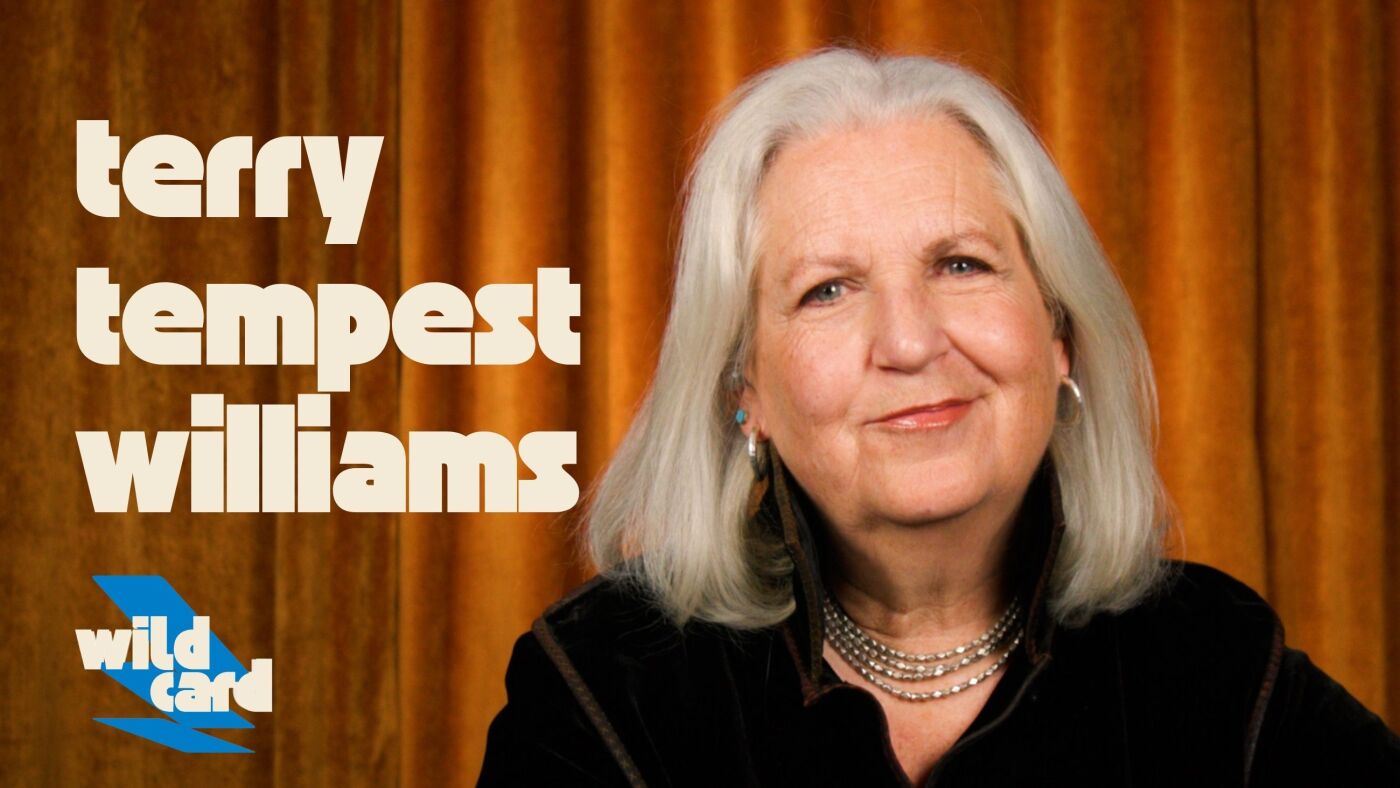
Terry Tempest Williams on why women with big ideas get labeled ‘crazy’ : Wild Card with Rachel Martin
-

 Technology45 minutes ago
Google’s Nest Thermostat has hit its best price of the year
-

 World48 minutes ago
Argentinian flight instructor jumps to death from plane, 22-year-old student forced to land alone
-

 Politics53 minutes ago
Omar’s disclosures erased millions, leaving her with potential negative net worth. She won’t explain why.
-

 Health1 hour ago
Dr Oz links obesity to chronic disease surge, says GLP-1s can ‘jumpstart’ better health
-

 Sports1 hour ago
Pirates star pitcher makes unfortunate history after being taken out in middle of perfect game bid
-

 Technology1 hour ago
Medical identity theft follows you into the doctor’s office

