West
Menendez brothers ask California Gov. Newsom for clemency

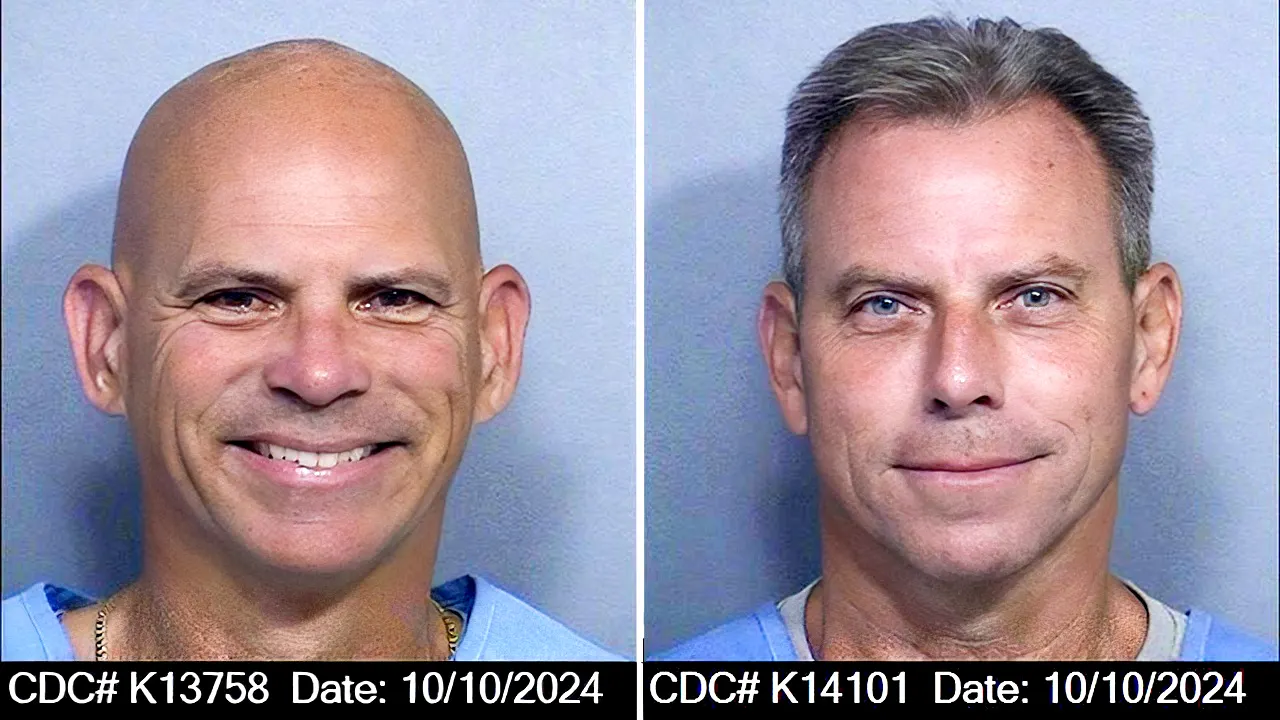
Erik and Joseph “Lyle” Menendez, the Beverly Hills brothers who shotgunned their parents to death from behind in 1989, are asking California Gov. Gavin Newsom for clemency less than a week after Los Angeles’ district attorney told a judge their prison sentences should be reduced.
Their lawyer, Mark Geragos, filed documents Monday, with the support of LA District Attorney George Gascon, according to the latter’s office.
The governor’s office said it is unable to discuss specifics.
MENENDEZ BROTHERS RESENTENCING: WHAT HAPPENS NEXT?
Lyle Menendez, left, and his brother Erik are pictured in their most recent mugshots, taken on Oct. 10. (California Department of Corrections and Rehabilitation)
“Pending clemency applications are confidential, and we’re not able to discuss individual cases,” a spokesperson told Fox News Digital.
The brothers are both serving life without the possibility of parole, but Gascon’s request last week cleared the way for a judge to impose lesser sentences on the brothers.
Gascon recommended 50 years to life, which would make them immediately eligible for parole hearings. He said he opposed taking things a step further and having their crimes reduced from first-degree murder to manslaughter.
Then he turned around Wednesday and publicly urged Newsom to grant clemency and release the brothers before the resentencing process plays out in front of a judge.
MENENDEZ BROTHERS PROSECUTOR ANNOUNCES RESENTENCING DECISION
Mark Geragos, defense attorney of Erik and Lyle Menendez, the Beverly Hills brothers convicted of killing their parents, speaks during a press conference at the Clara Shortridge Foltz Criminal Justice Center in Los Angeles on Oct. 16. (Reuters/Mike Blake)
“I strongly support clemency for Erik and Lyle Menendez, who are currently serving sentences of life without possibility of parole,” Gascon said. “They have respectively served 34 years and have continued their educations and worked to create new programs to support the rehabilitation of fellow inmates.”
The DA, who is up for reelection in less than a week, sent a separate letter in support of each brother to the governor.
Read Gascon’s letter in support of Erik Menendez
The killings were premeditated. The brothers walked up behind their parents with shotguns while the two were watching TV at 10:30 p.m. And they had to go to the car to reload before firing a fatal shot at their mother, who tried to escape the bloody crime scene after being injured.
No matter what happens with their clemency request, Newsom would still have the final say over whether they should go free.
Read Gascon’s letter in support of Lyle Menendez
Even if the parole board approves their release, the governor has veto power.
TIMELINE OF THE MENENDEZ BROTHERS’ MURDER CASE
An undated photo of the Menendez family as it appears onscreen during a panel at CrimeCon 2024 in Nashville, Tennessee, on June 2. Lyle and Erik were convicted of fatally shooting their parents in 1989. (Michael Ruiz/Fox News Digital)
The brothers claim they shot their father, former RCA Records executive Jose Menendez, in self-defense, arguing they thought he was going to kill them after they warned him they planned to expose him as a child sex abuser.
They also killed their mother, Mary “Kitty” Menendez, who was sitting next to Jose eating ice cream and watching TV during the ambush.
Their first trial ended in a mistrial, when jurors couldn’t agree on their fate. After a second trial in the mid-1990s, in which some of their evidence about the alleged sexual abuse was excluded, jurors agreed with prosecutors that their motive was greed.
Read the full article from Here

San Francisco, CA
A Locals-Approved Modern Guide to Fisherman’s Wharf: Seafood, Beer Gardens + Iconic Bay Views

Most locals wouldn’t come within a quarter mile of kitschy, over-touristed Fisherman’s Wharf if they didn’t have to.
But if the last time you visited the neighborhood was when family were in town, prepare to be surprised. There’s more to this waterfront neighborhood than meets the eye—and more to come, as the resurgence of the area, hit hard in the pandemic, picks up speed.
In our locals guide to Fisherman’s Wharf, we remove the wheat from the chaff, directing you only to the good stuff that’s hiding in plain sight—along with a neighborhood hotel recommendation for when those out-of-towners inevitably come to visit.
Where to Eat in Fisherman’s Wharf
Contemporary Filipino at Abacá
(Courtesy of @restaurantabaca)
Scoma’s (1965 Al Scoma Way) is one of the city’s best seafood spots, and not just because it’s located right where the city’s last working fishermen bring in their daily catch. The bayfront restaurant has been in business since 1965 and it has a classy, old-school vibe with a warren of small dining rooms with views, signed memorabilia on the walls, and a mid-century-style showpiece bar at its center. Their cioppino is legendary, along with their Dungeness crab cakes, Louie salads, and perfectly-spiced Bloody Marys. // A leader in San Francisco’s contemporary Filipino food boom, Abacá (2700 Jones St.) chef Francis Ang is known for his creative, California-influenced takes on traditional flavors and dishes. Inside an airy atrium on the ground floor of the Kimpton Alton, the bright and unintimidating restaurant has an extensive lineup of seasonal small plates, barbecued skewers, noodle and rice dishes (you must try the lobster noodles!), and mains like stuffed quail tinutungan with fava beans and morel mushrooms. Don’t skip the cocktails: they’re inventive, unexpected, and pair beautifully with the food. // Stop by Cafe de Casa (685 Beach St.) at breakfast and lunch for Brazilian cheese bread sandwiches, tapioca crepes, and escondidinho, along with a variety of espresso drinks. // A recent addition to the neighborhood is the Japanese-inspired grab-n’-go vegetarian eatery, coffee shop, and market, Bunny Cafe (1327 Columbus Ave.), so named for its lounge full of adorable, adoptable rabbits. They work with a different local rescue organization every quarter, helping to find needy bunnies new homes, and you can reserve a 30-minute spot to visit them whether you’re in the market for a rescue or not. // Korean restaurant Surisan (505 Beach St.) serves up a mix of American-style and K-breakfasts by morning (think jook, bulgogi fried rice, and benedicts) and Korean fried chicken, BBQ, and dishes like bibimbap for lunch and dinner in an inviting, industrial-accented space off the tourist track. // On the second level at the entrance to Pier 39 is Eagle Cafe (Pier 39, Floor 2, A-201), a Fisherman’s Wharf staple since 1928 serving up crowd-pleasing classic breakfasts and lunches like fish and chips and burgers. If the weather is cooperating, eat out on their balcony overlooking the water. // Fog Harbor Fish House is the best spot for dinner on Pier 39. You may be one of the few locals in the crowd but if you’re in the mood to crack into a whole Dungeness crab or take down some clam chowder in a sourdough bread bowl, this family-owned restaurant specializing in responsibly-sourced, sustainable seafood is the place to do it (plus, you can’t beat the views).
Coming Soon
The second location of affordable, delicious Saigon Sandwich (333 Jefferson St., #125) is set to open in Fisherman’s Wharf later this summer, adding soju cocktails to the menu alongside its beloved banh mi. // Cult-favorite fast-foodery Raising Cane’s is also planning to open later this summer, bringing their famous chicken fingers and Texas toast to the neighborhood (211 Jefferson St.).
Where to Drink Coffee, Cocktails + Beer

Humble Sea opened a beer garden on Pier 39 in 2025.
(Courtesy of @humblesea.sf)
The Buena Vista (2765 Hyde St.) has built its reputation on Irish Coffee, which was allegedly invented by a bartender here in 1952. But the classic cafe with wide windows overlooking the bay next to the cable car turnaround has charmed many a local and visitor for decades (check out the behind-the-bar memorabilia from frequent patron, Hunter S. Thompson). It’s an ideal spot for a nostalgic cocktail—coffee-flavored or otherwise. // Humble Sea (Pier 39, Unit N-111-1) may be a fairly recent addition to Pier 39 but the whimsical, ocean-themed brewery has been making waves since it opened its first taproom in Santa Cruz in 2017. Its newest location has a beer garden on the wharf, and a colorful indoor bar with plenty of hoppy IPAs on tap. // Tiny Signal Coffee Roasters (2701 Leavenworth St.) will brighten up your morning with small-batch, house-roasted coffee drinks and beans, specialty bevvies, and in-house bakes.
Coming Soon
Later this summer, homegrown SF brewery Woods Beer & Wine Co. will open their new taproom in the nautical-themed remains of the historic former seafood spot, Fishermen’s Grotto No. 9 (2847 Taylor St.). The long-term pop-up is slated to have a full liquor license that will add barrel-aged and batched cocktails to their craft beer and wine offerings.
What to Do in Fisherman’s Wharf
A scene from one of the antique games at Musée Mécanique
(Courtesy of @museemecaniquesf)
If you’re not charmed by the Musee Mechanique (Pier 45), you’re dead inside. No, seriously: This place is an absolute gem, featuring more than 300 antique mechanical arcade games (one of the world’s largest private collections) kept lovingly in working order. Many originally came from Playland, the amusement park that operated on Ocean Beach from 1928 to 1972, (along with creepy Funhouse mascot Laffing Sal) and each machine costs just 25 to 50 cents to play. // You don’t have to be from away to want to spend some time with the sea lions at the Viewing Area at K Dock (Pier 39). The pinnipeds post up here by the dozens all year round, barking, sparring, and swimming in the bay, oblivious to the crowd of onlookers. Come in spring to see babies just old enough to climb onto the docks. // If you get a kick out of the more gruesome side of science, check out the Truhlsen-Marmor Museum of the Eye (645 Beach St.). On the ground floor of the American Academy of Ophthalmology, it’s chock-full of interesting exhibits about eyeball anatomy, vision, perception, and medical innovation. // Despite its recent scandal, the Cartoon Art Museum (781 Beach St.), an institution endowed by comic god Charles Schulz, is worth a visit for its small but well-curated collection of cartoon and comic book art. // If you’re into naval history, step on board the S.S. Jeremiah O’Brien (Pier 35) or U.S.S. Pampanito (Pier 45), a restored naval ship and submarine from the World War II era.
Where to Stay in Fisherman’s Wharf
Guest rooms at Hyatt Centric Fisherman’s Wharf have just been completely renovated with an eye towards guest wellness and sustainability.
(Courtesy of Hyatt Centric Fisherman’s Wharf San Francisco)
If you’ve got friends or family coming into town who’d rather avoid staying in the hustle of downtown, Fisherman’s Wharf is a good, transportation-connected alternative. While the Kimpton Alton (2700 Jones St.) is the most luxurious option in the neighborhood, the Hyatt Centric Fisherman’s Wharf (555 North Point St.) is an excellent, more affordable alternative that’s just been completely renovated with a special emphasis on sustainable design and guest wellness. The freshly redone guest rooms—some of the most spacious in town—have a modern look accented in responsibly harvested wood and natural materials free of toxic substances, bronzed lighting and mirrors, patterned wall coverings, and subtle nautical accents.
An outdoor sun deck framed by the hotel’s upper floors has a heated pool and hot tub, along with new loungers and cabanas, and the 24-hour fitness center is full of top notch equipment including treadmills, bikes, and free weights (in-room yoga classes are also available on demand). Brick & Beam, the hotel’s signature, brick-walled gastropub, is open all day, serving generous plates of brioche French toast and croissant sandwiches at breakfast, and a wide range of handhelds, flatbreads, and other crowd pleasers at lunch and dinner. Note the happy hour at the full bar (5:30pm to 7:30pm), where margaritas, beer, and wine are just $6—definitely among the lowest prices in town. A 24-hour market in the lobby also offers snacks and drinks to go. You can’t beat the location which is just two blocks back from the water and a short walk from Pier 39.

The return of Denver Broncos football is getting closer.
In addition to facing their AFC West rivals at home and on the road, the Broncos will also face the defending Super Bowl champion Seattle Seahawks, conference rival Buffalo Bills and the title-contending Los Angeles Rams at home in 2026. On the road, Denver’s opponents include the contending San Francisco 49ers and conference-rival New England Patriots.
The NFL has given Denver three prime-time games this season, with national spotlights on Sunday Night Football, Monday Night Football and Thursday Night Football in 2026. SNF and MNF will be available to stream on FuboTV, and TNF is available to stream on Prime. In addition to those prime-time slots, the Broncos will also play in standalone windows on Black Friday and Christmas Day.
View the team’s complete schedule with dates and times below. Note that networks for nationally televised/streamed games are in bold.
- Week 1: Monday, Sept. 14, at Chiefs (MNF), 6:15 p.m. MT, ESPN
- Week 2: Sunday, Sept. 20, at Jaguars, 2:05 p.m. MT, CBS
- Week 3: Sunday, Sept. 27, vs. Rams (SNF), 6:20 p.m. MT, NBC
- Week 4: Sunday, Oct. 4, at 49ers, 2:25 p.m. MT, CBS
- Week 5: Sunday, Oct. 11, at Chargers, 2:05 p.m. MT, CBS
- Week 6: Thursday, Oct. 15, vs. Seahawks (TNF), 6:15 p.m. MT, Prime
- Week 7: Sunday, Oct. 25, at Cardinals, 2:05 p.m. MT, CBS
- Week 8: Sunday, Nov. 1, vs. Chiefs, 2:25 p.m. MT, CBS
- Week 9: Sunday, Nov. 8, at Panthers, 11:00 a.m. MT, CBS
- Week 10: Sunday, Nov. 15, Bye Week
- Week 11: Sunday, Nov. 22, vs. Raiders, 2:25 p.m. MT, CBS
- Week 12: Friday, Nov. 27, vs. Steelers (Black Friday), 1:00 p.m. MT, Prime
- Week 13: Sunday, Dec. 6, vs. Dolphins, 2:05 p.m. MT, Fox
- Week 14: Sunday, Dec. 13, at Jets, 11:00 a.m. MT, CBS
- Week 15: Sunday, Dec. 20, at Raiders, 2:25 p.m. MT, CBS
- Week 16: Friday, Dec. 25, vs. Bills (Christmas), 2:30 p.m. MT, Netflix
- Week 17: Sat/Sun, Jan. 2/3, at Patriots, TBD, TBD
- Week 18: Sat/Sun, Jan. 9/10, vs. Chargers, TBD, TBD
The team’s Week 17 showdown in New England is one of four candidates to be played in a Saturday window. Additionally, dates, times and TV networks for Week 18 will be announced following Week 17. The league will schedule two Saturday games and a Sunday Night Football matchup for the final week of the regular season.
Social: Follow Broncos Wire on Facebook and Twitter/X! Did you know: These 25 celebrities are Broncos fans.
Seattle, WA
‘They had hyped us up so much’: Seattle businesses near World Cup stadium report declining sales

As Seattle’s month-long role as a host city for the Fifa Men’s World Cup draws to a close with a knockout match between the United States and Belgium, local match-day scenes, business boosters and media dispatches have projected an image of a sports-fueled boom town.
On match days, hordes of locals and visitors have packed the city’s waterfront and official watch parties, shattering public-transit records and buoying nearby beer sales. Local soccer-focused mainstays like the George & Dragon Pub have reported “incredible” increases in business. And, pointing to positive reporting by the Guardian and other international newspapers, Seattle’s business lobby says the city has “performed very, very well on the world stage”.
But the effects – and extent – of Seattle’s Fifa-fueled boom are murky. Some preliminary reports claim tourism volumes to the city are down year over year, struggling to outmatch the volume of visitors Seattle typically sees during its summer high season. Travel costs have spiked after the US-Israeli war on Iran, exacerbated by Fifa’s booking large tranches of hotel rooms, which created artificial scarcity for lodgings and raised prices. Many international visitors, including the city’s once-reliable base of Canadian tourists, have steered clear of Seattle since early 2025, after violent, draconian immigration enforcement and threats by Donald Trump against Canada. And, prior to today’s match, Seattle’s schedule featured many countries whose fans couldn’t attend the World Cup because of the Trump administration’s travel bans, including supporters from Iran and Senegal.
Pointing to these factors and confronting local economic challenges such as an ongoing wave of tech layoffs, some business owners have reported declining sales and question the cheery forecasts shared by tournament organizers prior to the World Cup. They await a final tally of the tourist volumes and benefits Fifa did or did not bring to Seattle, and wonder how the city’s economy might fare once the alleged boom subsides.
‘They had hyped us up so much’
In early 2025, Vince Vu, owner of Anh Ơi Bake Shop, a Vietnamese American bakery, began receiving flyers and messages from consultants associated with the World Cup and city government. Seattle’s soccer stadium directly adjoins the city’s downtown core, as well as the Chinatown-International District, and draws large crowds to the area on match days. The consultants explained to Vu and other businesses in the area how they should prepare for a Fifa-induced flux of customers.
“They had hyped us up so much,” Vu said. “We had weekly meetings telling us, ‘Hey … make sure you’re going to double your staff and … double your inventory and do all this stuff, because [the World Cup is] going to be this great thing for the city.’”
The regional tourism board Visit Seattle initially forecast in 2024 that Seattle’s status as a World Cup host city would generate $929m in local economic activity; citing downturns in international travel to the US following Trump’s return to the presidency, Visit Seattle later revised its estimate to $845.6m, projecting a total count of 750,000 visitors over the course of the World Cup.
In the tournament’s opening days, Bloomberg reported that Seattle may be the only US host city to have seen a year-over-year decline in flight bookings, citing data from travel marketing platform Sojern. More recent data complicates that conclusion; Perry Cooper, a spokesperson for Seattle’s primary airport, said that Seattle has been “up in travelers” since the start of the World Cup by at least 3%, including a 4% year-over-year increase in international visitors.
Siddhant Bahadur, who manages more than 40 short-term rentals in Seattle, said business has been fairly flat compared with last year’s summer high season for tourism. He thinks the city’s marginal increases in travel volumes during the World Cup are a “telling sign” that tourism to the city is otherwise down due to economic and geopolitical challenges.
“I think we lost a lot of Canadians, and I think people are worried about the economy and about what’s going on in Washington, and, oh, by the way, we’re at war,” echoed short-term rental owner Marlow Harris, who said she’s seen a 30% hit to business.
In an emailed statement, Visit Seattle’s chief business officer, Kelly Saling, said declines in international tourism since 2024 have been “partially offset” by an increase in domestic tourism, meaning the city has not seen a “drop in forecasted visitors, just a change in the mix”. Local hotels have reported mixed results, with lower occupancy rates than projected, but with large increases in revenue; Fifa booked large blocks of hotel rooms before the World Cup and released them in the weeks leading up to the tournament, generating artificial scarcity and raising prices, according to local business leaders. Saling said hotel booking data has shown “peaks and valleys” around match days, which included a new revenue record on the night preceding the 19 June match between the US and Australia.
To Vu, the World Cup’s peaks have coincided with Anh Ơi Bake Shop’s lowest sales. When the US squared off against the Socceroos, Vu’s business saw just a quarter of its normal sales. Vu said other neighborhood businesses have reported similarly disappointing results: Regular patrons have avoided the neighborhood on match days to avoid traffic, he noted, adding that sports tourists may not be interested in “culturally specific businesses”.
after newsletter promotion
The Seattle aquarium has also reported a downturn, despite its location on Seattle’s currently sports fan-saturated waterfront. Emily Malone, a spokesperson for the aquarium, noted a “decrease in attendance” during the tournament, “particularly on match days”. The aquarium has offered promotions for visitors wearing soccer gear, as well as free programs on the waterfront. Overlook Walk, a public park situated on the roof of Seattle Aquarium’s recently constructed pavilion, has drawn large crowds during World Cup watch parties.
A mixed financial picture, but optimism that visitors will return
Scott Stulen, director and CEO of the Seattle Art Museum, began planning for the World Cup in 2024, and expected an uneven increase in footfall across its three locations. The museum’s free sculpture garden along the waterfront received new signage before the World Cup, and currently features a temporary mini-golf course designed by local artists. The sculpture garden has seen its foot traffic more than double, while visitor numbers to its downtown museum have stayed “basically flat”, as Stulen anticipated.
Some variables could not be planned in advance. Seattle’s group-stage matchups “weren’t ideal”, Stulen said, as the city missed out on fanbases that “stay a little bit longer” in host cities. Some World Cup organizers see a handful of teams – Argentina, England and France, among others – as special catalysts of economic activity, featuring dedicated fanbases with the financial means to stay longer in host cities.
Seattle’s organizers also expected World Cup activity to “spread into the city a little bit more than it has”, though bars and restaurants are “killing it” if they’re located “in the right place”, Stulen said, framing the “positive activity” in downtown Seattle as “a win”.
Even marginal increases in sales can make a meaningful difference for local businesses preparing to weather future economic volatility, according to Daniel Pagard, who owns the George & Dragon Pub, a local British bar known for screening Premier League games and other international matches. Recent tech layoffs have affected some locals’ finances, and businesses are beginning to note the downstream effects.
“You definitely see a lot of it when people come out,” Pagard said. “Instead of maybe getting two half English breakfasts, they’re splitting one full English, because it saves them a few bucks, and [they’re] turning down that one extra pint before they leave.”
Seattle’s business lobby hopes visitors – and major tournaments – will come back. According to Joe Nguyễn, a former lawmaker who now leads the Seattle Metropolitan Chamber of Commerce, Seattle’s business lobby hosted a trade delegation from Australia during the 19 June match, and expects some foreign direct investment to arise from that initiative. More broadly, he said Seattle has shown it is capable of hosting large-scale sports programming, and can efficiently deploy resources to accommodate large influxes of visitors.
Today’s match against Belgium may be the “craziest sporting event that Seattle’s probably ever seen”, he said. Nguyễn hopes the World Cup will bring the city closer to some of its ambitious goals.
“Because of our remoteness in the north-west corner, people oftentimes will skip over us on their tours. Now they’ll think twice … I think the NFL will look to here to see if they should have some games, [and] I think this is helpful for us bringing back a basketball team,” he said.
-

 Culture22 minutes ago
Try This Quiz on Literary Quotations About American Life
-
 Lifestyle28 minutes ago
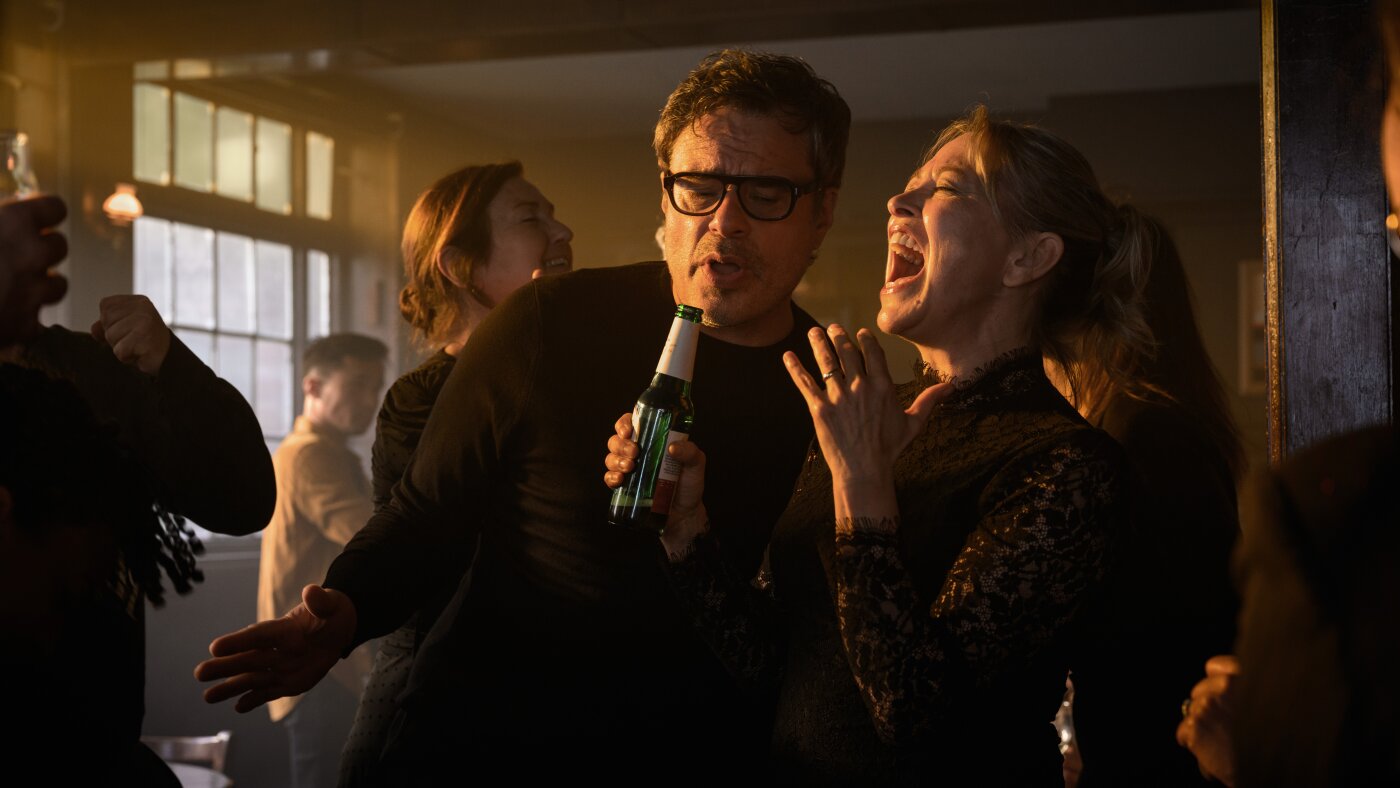
‘Alice and Steve’ might be a mess — but it’s also too fun to stop watching
-

 Technology36 minutes ago
America’s greatest idea is still under threat
-

 World43 minutes ago
Zelenskyy pressures US and Europe for more ‘air defense’ assistance amid ongoing war with Russia
-

 Politics46 minutes ago
ICE renews hunt for El Chapo’s last two fugitive sons with massive reward
-

 Health58 minutes ago
Biohacker hoping to live to 160 reveals alarming diagnosis: ‘My stomach is eating itself’
-

 Sports1 hour ago
FIFA president addresses Trump call amid scrutiny over decision on USA World Cup star
-

 Technology1 hour ago
Fake Booking.com travel credit scam targets travelers

