Washington
Meet the 2024 Washington Women in Journalism Award Winners


Print Journalism
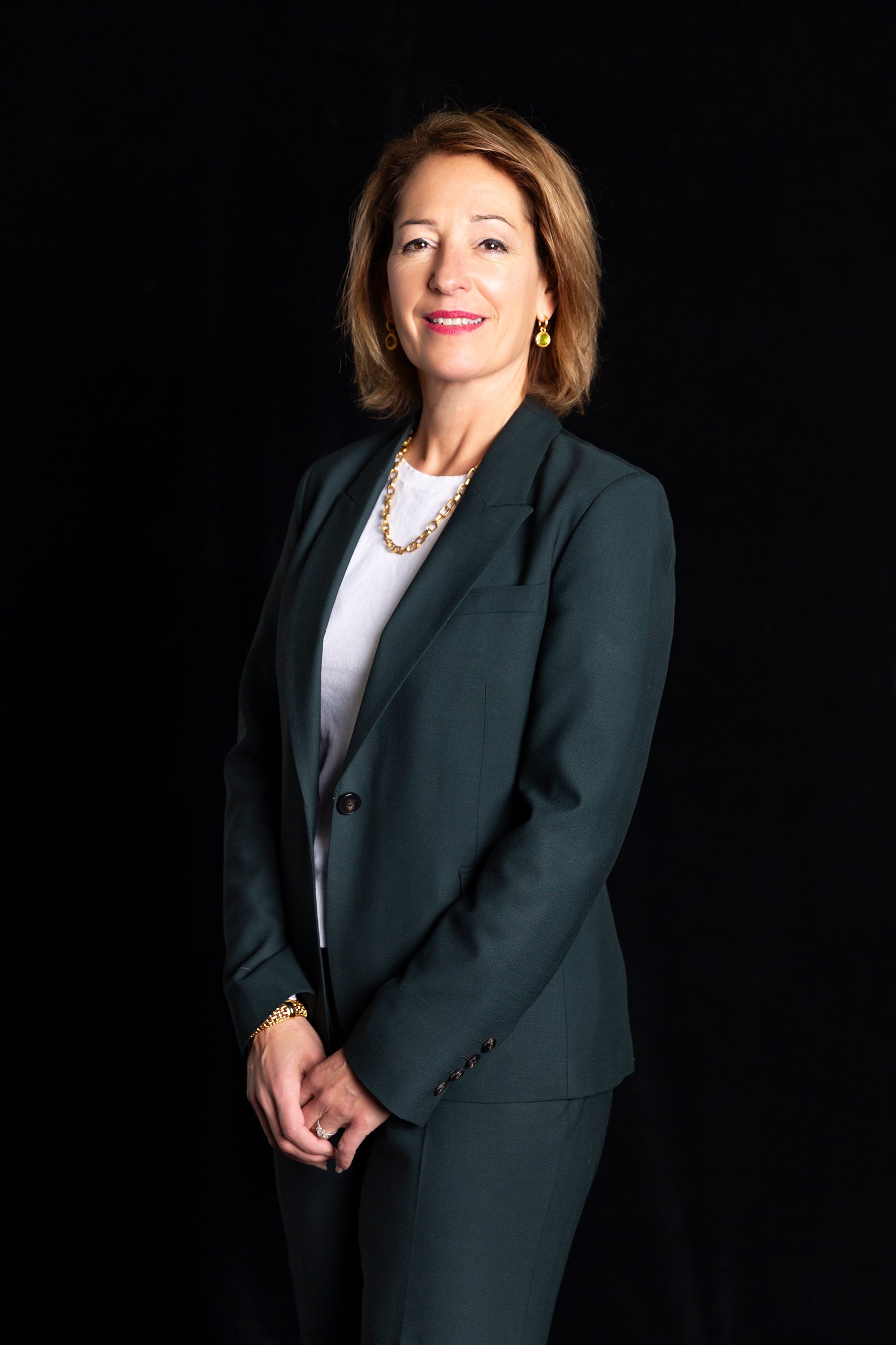
Carol Leonnig
The Washington Post

Carol Leonnig has spent much of her career reporting on local, state, and federal governments. Her hard-hitting investigations into the White House and federal agencies have earned her or teams she worked on four Pulitzer Prizes. At the Washington Post since 2000, she’s also an on-air contributor to NBC News and MSNBC and the author or coauthor of three New York Times bestsellers, including Zero Fail: The Rise and Fall of the Secret Service.
Where she grew up: Upper Marlboro.
First byline: “When I was a freshman, I got drafted by the editor of [the Bryn Mawr–Haverford College News] to report on a sledding accident involving students behind our dorm. She assigned me to go to the campus security office and look through their paper logs of how they responded to the accident, because there was a huge delay in getting emergency personnel to the site. I was able to piece together what caused the delay, and I was hooked.”
First journalism job: “In my senior year, I wrote some freelance pieces for the Philadelphia Inquirer. I ended up working there after college.”
First big story: “At the Charlotte Observer, I reported that the governor had overwritten state officials and career public servants’ recommendations to replace bridges [that were at risk of falling down] to get a big, new $8 million bridge built to help his neighbors in a rural community more quickly get from point A to point B. It was on the front page. We found out that the FBI was investigating the governor, and he held a press conference the next day and apologized.”
Hardest story she’s ever done: “Some of the hardest are the ones with people who don’t have boldface names. They are going through incredible trauma, like a mass shooting. The greatest honor that can be bestowed on us is to be entrusted to bring their experiences to a larger readership.”
Hardest part of her job: “Keeping your wits about you when you are being attacked in a very vicious way. The division in our country is so brutal in its attacks on journalists who report things that are factually true but that people don’t want to hear.”
Best journalism advice she’s received: “In the heat of the moment, in this competitive field, don’t let competition drive your decision. Stick to checking and rechecking every fact. No one will remember who published a minor story five minutes faster. Everyone will remember a mistake made in the rush of competition.”
Broadcast Journalism
Back to Top
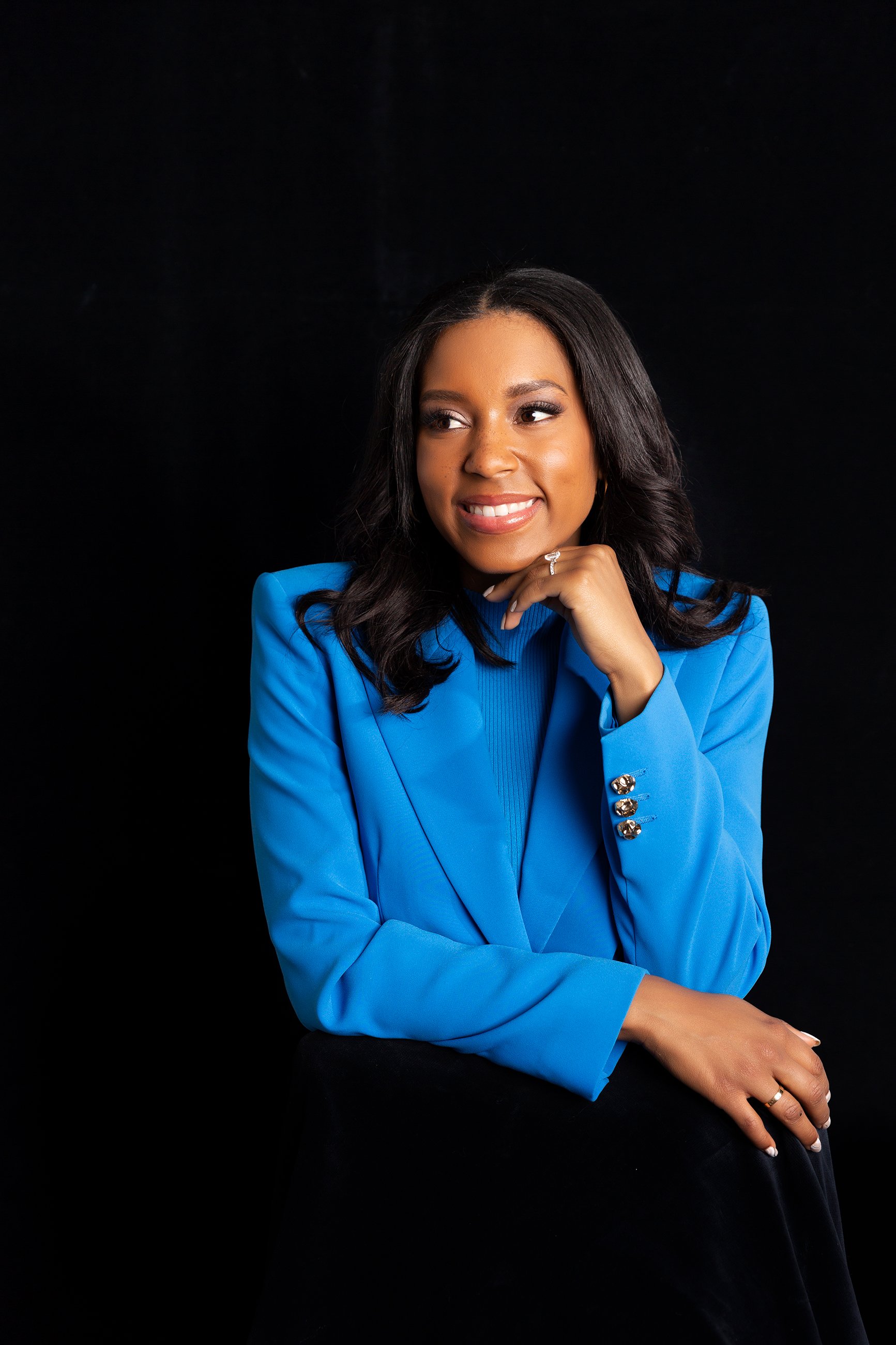
Rachel Scott
ABC News


When Rachel Scott started reporting on Capitol Hill for ABC News in 2021, she couldn’t have predicted what she’d be covering her first day–January 6. The job has kept her on her toes ever since: taking her to Geneva, where she pressed Vladimir Putin on human rights; to Texas, where her coverage on the abortion ban earned her a Peabody Award; and to offices all over Capitol Hill.
Where she grew up: Diamond Bar, California.
First journalism job: Production associate for ABC News Live.
What drew her to journalism: “It wasn’t until I had an internship at the White House in 2012 that I discovered my passion for political journalism. I had the opportunity to sit in on several interviews that President Barack Obama did with Diane Sawyer and Barbara Walters, and it was in those rooms I realized that I wanted to be the one asking the tough questions on behalf of the American people.”
On covering January 6: “I was assigned to be outside of the Capitol for what was described as a Trump rally. I remember when things took a crazy turn. George Stephanopoulos asked me to describe what was going on, and what I described was chaos as rioters started to storm the Capitol. I reported outside for hours, stretching into the very late evening.”
Work she’s proudest of: “I traveled to Geneva for President Biden’s high-stakes meeting with Vladimir Putin, and we found out the day before that President Biden and Putin would be holding separate press conferences. I entered [Putin’s] press conference not knowing if he’d call on an American journalist. But he did. When I was called on, I raised the case of Alexei Navalny. I asked President Putin why all of his political prisoners were either dead, in prison, or poisoned. I asked what he was so afraid of. Coming back to my hotel that night, there were students gathered below the balcony of the hotel. They noticed me and started shouting, ‘Freedom of the press!’ In that moment, I understood the gravity of the questions we ask and how much it matters.”
One female journalist she admires: “Diane Sawyer—without question. When I was a USC student, Diane Sawyer came and spoke to journalism students. She told us, ‘Journalism is the business of changing the world.’ I have never forgotten it. When I came to ABC and started covering reproductive rights, Diane reached out to partner on a special. To reach out and partner with a younger journalist speaks volumes to what she has done for women in this industry.”
Lifetime Achievement
Back to Top
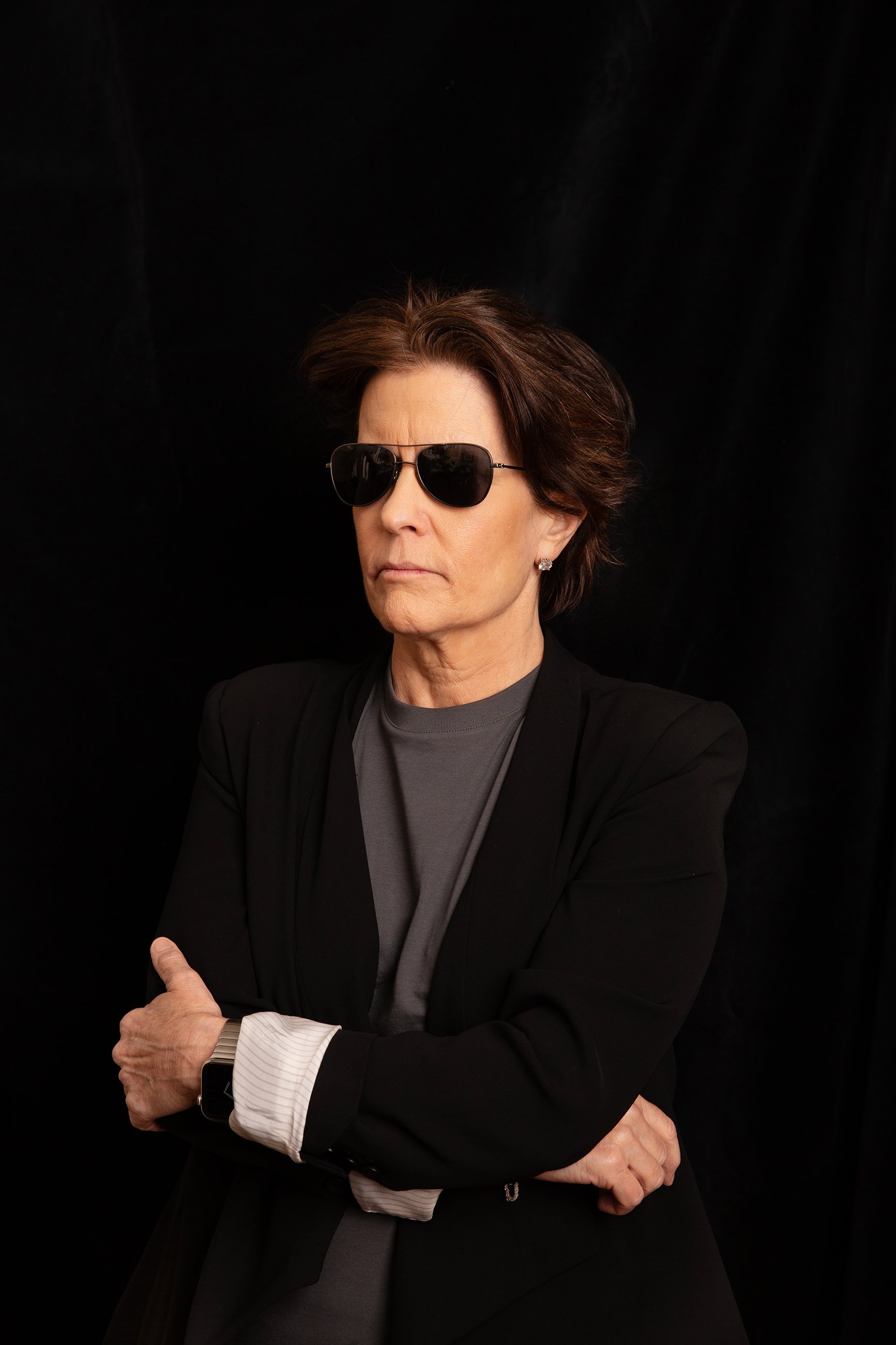
Kara Swisher
Vox Media/Podcaster

One of the earliest reporters on the internet beat, Kara Swisher has interviewed nearly every influential innovator and entrepreneur in the tech world. Between her commentary on CNN and her hit podcasts, On With Kara Swisher and Pivot, she has a knack for catching the latest scoops on the fast-moving industry. In her recent bestselling memoir, Burn Book: A Tech Love Story, Swisher gives an insider perspective into Silicon Valley’s titans and the impact of their innovations on our world.
Where she grew up: “A lot of places—Long Island and Princeton, New Jersey, principally.”
First byline: “I wrote columns at the Hoya at Georgetown University. I just wrote about campus life and things that affected students.”
First journalism job: “I started writing similar stories for the Washington Post. I was their stringer from the campus.”
First big story: “There was a family in Washington who was one of the wealthiest—they owned a string of retail stores. I wrote about the breakup of the family. Herbert Haft and Robert Haft—they were father and son, and they had a war. It was sort of like King Lear.”
What drew her to journalism: “I’m a curious person, and I like asking questions. I’m a good writer. I wasn’t good at other things. I wanted to be an architect, and I wasn’t good at that.”
One hard thing about her job: “Reporters play a really important part in society, and the current attacks on them are depressing and stupid.”
Best journalism advice she’s received: “Walt Mossberg, who I dedicated my book to, always was like, ‘Just go and find the truth and ask direct questions.’ It’s not very complicated, but I think it’s really important to do what you do with integrity and intelligence, as well as try to be interesting and be interested at the same time.”
A piece of advice she’d share to budding journalists: “Just work hard and ask good questions. You have to know what you’re talking about. You have to be accurate. You have to be prepared. Constantly assess what you need to improve on.”
What she’d like to see change to make the journalism industry better for women: “Hire the most diverse groups of people. I mean not just race and gender but backgrounds and political affiliation. I think it’s better to get different perspectives.”
Star to Watch
Back to Top
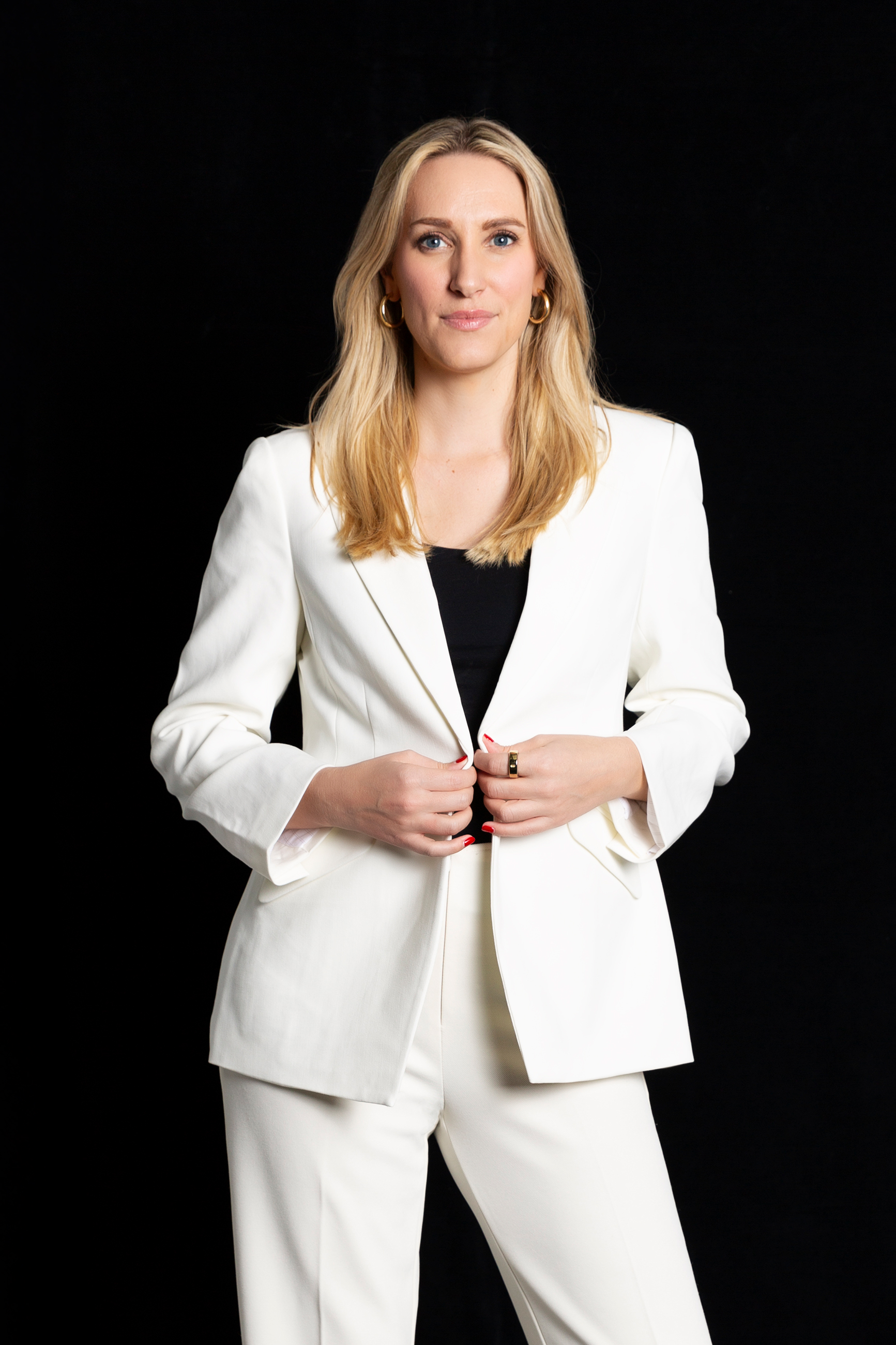
Meridith McGraw
Politico

It would be an understatement to say that 2024 has been–and will continue to be–a whirlwind for Meridith McGraw. As Politico’s national political correspondent, she’s in charge of covering all things related to Donald Trump, the 2024 election, and Republican politics. Prior to joining Politico in 2019, she covered the White House and Capitol Hill for ABC News.
Where she grew up: Vienna, West Virginia.
What drew her to journalism: “I love to write. I’m interested in politics. And I grew up with parents who encouraged debate and conversation around the dinner table on what was going on in the world.”
First journalism job: “The Frank Reynolds Fellowship at ABC News. I went to Columbia Journalism School and had my eye on that internship from day one. I really wanted to come to Washington.”
First byline: “A very short story on the National Zoo’s new baby panda, which anybody in DC knows is a big deal.”
Hardest story she’s ever done: “It’s hard to pinpoint one story. [My first year at Politico] was such a challenging time. It was during the pandemic, and I was on the White House team. Nobody knew what was going on in terms of Covid. The George Floyd protests were happening. It was a particularly important and challenging time to be a reporter in DC.”
Best journalism advice she’s received: “Try to zig when other people zag. Think of unexpected or uncovered angles to the stories that everybody’s reading.”
Most challenging aspect of covering Trump: “At times, it feels hard to keep up with the volume of news. That’s why it’s important to cut through the noise and help people discern the most important things they need to know.”
How she stays sane covering politics in 2024: “I’m really lucky to have great friends and family, and an adorable dog [Daisy, a basset hound], but a big part of it is understanding the historic importance of the moment we’re in.”
What she’d like to see change in the journalism industry to make it better for women: “Pay equity continues to be something we need to see [improve].”
Favorite part of the job: “I’m happy not being the smartest person in the room and getting to learn from other people. I love that this job allows me to call up lawmakers, expert thinkers, [and] everyday people I wouldn’t normally encounter.”
Print Journalism
Back to Top
Carol Leonnig
The Washington Post
Carol Leonnig has spent much of her career reporting on local, state, and federal governments. Her hard-hitting investigations into the White House and federal agencies have earned her or teams she worked on four Pulitzer Prizes. At the Washington Post since 2000, she’s also an on-air contributor to NBC News and MSNBC and the author or coauthor of three New York Times bestsellers, including Zero Fail: The Rise and Fall of the Secret Service.
Where she grew up: Upper Marlboro.
First byline: “When I was a freshman, I got drafted by the editor of [the Bryn Mawr–Haverford College News] to report on a sledding accident involving students behind our dorm. She assigned me to go to the campus security office and look through their paper logs of how they responded to the accident, because there was a huge delay in getting emergency personnel to the site. I was able to piece together what caused the delay, and I was hooked.”
First journalism job: “In my senior year, I wrote some freelance pieces for the Philadelphia Inquirer. I ended up working there after college.”
First big story: “At the Charlotte Observer, I reported that the governor had overwritten state officials and career public servants’ recommendations to replace bridges [that were at risk of falling down] to get a big, new $8 million bridge built to help his neighbors in a rural community more quickly get from point A to point B. It was on the front page. We found out that the FBI was investigating the governor, and he held a press conference the next day and apologized.”
Hardest story she’s ever done: “Some of the hardest are the ones with people who don’t have boldface names. They are going through incredible trauma, like a mass shooting. The greatest honor that can be bestowed on us is to be entrusted to bring their experiences to a larger readership.”
Hardest part of her job: “Keeping your wits about you when you are being attacked in a very vicious way. The division in our country is so brutal in its attacks on journalists who report things that are factually true but that people don’t want to hear.”
Best journalism advice she’s received: “In the heat of the moment, in this competitive field, don’t let competition drive your decision. Stick to checking and rechecking every fact. No one will remember who published a minor story five minutes faster. Everyone will remember a mistake made in the rush of competition.”
Broadcast Journalism
Back to Top
Rachel Scott
ABC News
When Rachel Scott started reporting on Capitol Hill for ABC News in 2021, she couldn’t have predicted what she’d be covering her first day–January 6. The job has kept her on her toes ever since: taking her to Geneva, where she pressed Vladimir Putin on human rights; to Texas, where her coverage on the abortion ban earned her a Peabody Award; and to offices all over Capitol Hill.
Where she grew up: Diamond Bar, California.
First journalism job: Production associate for ABC News Live.
What drew her to journalism: “It wasn’t until I had an internship at the White House in 2012 that I discovered my passion for political journalism. I had the opportunity to sit in on several interviews that President Barack Obama did with Diane Sawyer and Barbara Walters, and it was in those rooms I realized that I wanted to be the one asking the tough questions on behalf of the American people.”
On covering January 6: “I was assigned to be outside of the Capitol for what was described as a Trump rally. I remember when things took a crazy turn. George Stephanopoulos asked me to describe what was going on, and what I described was chaos as rioters started to storm the Capitol. I reported outside for hours, stretching into the very late evening.”
Work she’s proudest of: “I traveled to Geneva for President Biden’s high-stakes meeting with Vladimir Putin, and we found out the day before that President Biden and Putin would be holding separate press conferences. I entered [Putin’s] press conference not knowing if he’d call on an American journalist. But he did. When I was called on, I raised the case of Alexei Navalny. I asked President Putin why all of his political prisoners were either dead, in prison, or poisoned. I asked what he was so afraid of. Coming back to my hotel that night, there were students gathered below the balcony of the hotel. They noticed me and started shouting, ‘Freedom of the press!’ In that moment, I understood the gravity of the questions we ask and how much it matters.”
One female journalist she admires: “Diane Sawyer—without question. When I was a USC student, Diane Sawyer came and spoke to journalism students. She told us, ‘Journalism is the business of changing the world.’ I have never forgotten it. When I came to ABC and started covering reproductive rights, Diane reached out to partner on a special. To reach out and partner with a younger journalist speaks volumes to what she has done for women in this industry.”
Lifetime Achievement
Back to Top
Kara Swisher
Vox Media/Podcaster
One of the earliest reporters on the internet beat, Kara Swisher has interviewed nearly every influential innovator and entrepreneur in the tech world. Between her commentary on CNN and her hit podcasts, On With Kara Swisher and Pivot, she has a knack for catching the latest scoops on the fast-moving industry. In her recent bestselling memoir, Burn Book: A Tech Love Story, Swisher gives an insider perspective into Silicon Valley’s titans and the impact of their innovations on our world.
Where she grew up: “A lot of places—Long Island and Princeton, New Jersey, principally.”
First byline: “I wrote columns at the Hoya at Georgetown University. I just wrote about campus life and things that affected students.”
First journalism job: “I started writing similar stories for the Washington Post. I was their stringer from the campus.”
First big story: “There was a family in Washington who was one of the wealthiest—they owned a string of retail stores. I wrote about the breakup of the family. Herbert Haft and Robert Haft—they were father and son, and they had a war. It was sort of like King Lear.”
What drew her to journalism: “I’m a curious person, and I like asking questions. I’m a good writer. I wasn’t good at other things. I wanted to be an architect, and I wasn’t good at that.”
One hard thing about her job: “Reporters play a really important part in society, and the current attacks on them are depressing and stupid.”
Best journalism advice she’s received: “Walt Mossberg, who I dedicated my book to, always was like, ‘Just go and find the truth and ask direct questions.’ It’s not very complicated, but I think it’s really important to do what you do with integrity and intelligence, as well as try to be interesting and be interested at the same time.”
A piece of advice she’d share to budding journalists: “Just work hard and ask good questions. You have to know what you’re talking about. You have to be accurate. You have to be prepared. Constantly assess what you need to improve on.”
What she’d like to see change to make the journalism industry better for women: “Hire the most diverse groups of people. I mean not just race and gender but backgrounds and political affiliation. I think it’s better to get different perspectives.”
Star to Watch
Back to Top
Meridith McGraw
Politico
It would be an understatement to say that 2024 has been–and will continue to be–a whirlwind for Meridith McGraw. As Politico’s national political correspondent, she’s in charge of covering all things related to Donald Trump, the 2024 election, and Republican politics. Prior to joining Politico in 2019, she covered the White House and Capitol Hill for ABC News.
Where she grew up: Vienna, West Virginia.
What drew her to journalism: “I love to write. I’m interested in politics. And I grew up with parents who encouraged debate and conversation around the dinner table on what was going on in the world.”
First journalism job: “The Frank Reynolds Fellowship at ABC News. I went to Columbia Journalism School and had my eye on that internship from day one. I really wanted to come to Washington.”
First byline: “A very short story on the National Zoo’s new baby panda, which anybody in DC knows is a big deal.”
Hardest story she’s ever done: “It’s hard to pinpoint one story. [My first year at Politico] was such a challenging time. It was during the pandemic, and I was on the White House team. Nobody knew what was going on in terms of Covid. The George Floyd protests were happening. It was a particularly important and challenging time to be a reporter in DC.”
Best journalism advice she’s received: “Try to zig when other people zag. Think of unexpected or uncovered angles to the stories that everybody’s reading.”
Most challenging aspect of covering Trump: “At times, it feels hard to keep up with the volume of news. That’s why it’s important to cut through the noise and help people discern the most important things they need to know.”
How she stays sane covering politics in 2024: “I’m really lucky to have great friends and family, and an adorable dog [Daisy, a basset hound], but a big part of it is understanding the historic importance of the moment we’re in.”
What she’d like to see change in the journalism industry to make it better for women: “Pay equity continues to be something we need to see [improve].”
Favorite part of the job: “I’m happy not being the smartest person in the room and getting to learn from other people. I love that this job allows me to call up lawmakers, expert thinkers, [and] everyday people I wouldn’t normally encounter.”
Back to Top
Past Winners
2023
Jacqueline Alemany
The Washington Post
Gloria Borger
CNN
Asma Khalid
NPR
Kelly O’Donnell
NBC
2022
Kaitlan Collins
CNN
Kathleen Parker
The Washington Post
Martha Raddatz
ABC
Ayesha Rascoe
NPR
2021
Yamiche Alcindor
PBS
Karen Attiah
The Washington Post
Susan Glasser
The New Yorker
Norah O’Donnell
CBS
2020
Molly Ball
Time
Rita Braver
CBS
Anna Palmer
Politico
Kristen Welker
NBC
2019
Andrea Mitchell
NBC
Ashley Parker
The Washington Post
Abby Phillip
CNN
Amanda Terkel
HuffPost
2018
Amanda Bennett
Voice of America
Audie Cornish
NPR
Lynn Sweet
The Chicago Sun-Times
Amy Walter
The Cook Political Report
2017
Mary Katharine Ham
CNN
Mary Louise Kelly
NPR
Jane Mayer
The New Yorker
Cokie Roberts
NPR/ABC/PBS
2016
Dana Bash
CNN
Kathryn Lopez
National Review
Susan Page
USA Today
Carolyn Ryan
The New York Times
This article appears in the May 2024 issue of Washingtonian.


Photo by Elman Studio.
June 30, 2026 (Washington, D.C.) – The Washington Chorus (TWC), DC’s most dynamic choral ensemble, celebrates its 65th anniversary during the 2026-2027 season. Through thought-provoking pairings of classic major choral works, artistic collaborations, and groundbreaking premieres, TWC celebrates its history of providing an inclusive community where choral music connects, reflects, and inspires everyone while continuing its mission of creating transformative musical experiences that bring people together through the joy of choral music.
“Our 65th season showcases TWC’s commitment to honoring choral tradition while embracing the living voices shaping American music today,” said TWC Artistic Director Eugene Rogers. “We look forward to serving the entire D.C. community, bringing new audiences into our special anniversary celebration through this repertoire and outstanding guest artists.”
The season begins with TWC’s guest appearance with the National Symphony Orchestra for Beethoven’s Ninth Symphony, conducted by Gianandrea Noseda at Wolf Trap’s Filene Center on Friday, August 14, 2026 at 8:00 p.m. On Thursday, October 15, 2026 at 7:30 p.m. at Joseph Myerhoff Symphony Hall; Saturday, October 17, 2026 at 8:00 p.m. at Music Center at Strathmore; and Sunday, October 18, 2026 at 3:00 p.m. at Meyerhoff TWC joins Marin Alsop and the Baltimore Symphony Orchestra for John Adam’s On the Transmigration of Souls as part of the BSO’s Alsop Conducts Tchaikovsky’s Pathétique concert.
The Washington Chorus’s own season kicks off with two weekends of A Candlelight Christmas concerts in December, continuing its beloved holiday tradition now reimagined in new venues across the city. This cherished program brings together The Washington Chorus with the National Capital Brass and Percussion Ensemble, alongside award-winning music director, organist, and conductor Paul Byssainthe Jr., soprano Colleen Daly, and jazz-mezzo Christie Dashiell. The program will also feature the premiere of a new work by Evelyn Simpson-Curenton. Blending timeless carols with vibrant new voices, A Candlelight Christmas offers a warm and luminous celebration of the season – honoring tradition while embracing the rich musical spirit of our community. Venue and performance info are listed below.
In the new year, The Washington Chorus presents A Song Flung Up to Heaven: Honoring 65 Years of TWC on Sunday, February 28, 2027 at 3:00 p.m. at DAR Constitution Hall. The program juxtaposes two major works from contrasting origins – Nkeiru Okoye’s When the Caged Bird Sings and Poulenc’s Gloria – that treat sacred themes with a striking blend of reverence and theatricality. Together, these two major works meld European and American musical traditions into a powerful, life-affirming concert experience with a deep connection to spiritual rituals, while each composer’s innovation imbues them with new discoveries and uncovers mysteries of the human condition.
The centerpiece of this performance is the East Coast premiere of Dr. Nkeiru Okoye’s dramatic work When the Caged Bird Sings – a “musical ceremony” fusing many genres, including opera, musical theater, spoken word, and choral singing, and American musical styles including gospel, spirituals, traditional anthems, and jazz. Okoye’s evocative new piece celebrates the spirit of rising above expectations and transforming adversity into triumph through the milestones in the life of one Black woman. Partly in tribute to the activist and poet laureate Maya Angelou, the work celebrates and explores the transformative ability of the human spirit, commemorating those who have paved a path for future generations. The concert opens with a cornerstone of 20th-century sacred music, Francis Poulenc’s Gloria, which first premiered in 1961, the same year as TWC’s founding.
In May, TWC partners with the National Philharmonic to present Requiem and Renewal featuring Mozart’s monumental Requiem. This will be preceded by Jocelyn Hagen’s large-scale symphonic work, What the Soul Already Knows, on Saturday, May 8, 2027 at 7:30 p.m. at Music Center at Strathmore. Jointly commissioned by Pacific Chorale under the direction of Robert Istad and The Washington Chorus, the work will have its East Coast premiere as part of TWC’s 65th Anniversary Season.
Rooted in an exploration of the sacred – in both the physical world and the unseen – the work invites listeners to reflect on the deep interconnectedness of all life. At its core, What the Soul Already Knows is a meditation on our shared humanity and the potential for beauty that arises when we live in alignment with gratitude, unity, and service. The title received inspiration from the book Sacred Earth, Sacred Soul by Celtic spiritual teacher John Philip Newell, whose writings illuminate the sacred as present not only in heaven, but within the earth and all living beings. Both Hagen’s and Mozart’s works are meditations on the soul in a program that asks: What is the soul, what is sacred, and how should we live – before and beyond death?
Closing the season is a theatrical version of Giuseppe Verdi’s Requiem with the Baltimore Symphony Orchestra and conducted by its Artistic Director Jonathon Heyward on Friday, June 11, 2027 at 8:00 p.m. at Joseph Meyerhoff Symphony Hall; Saturday, June 12, 2027 at 6:00 p.m. at Music Center at Strathmore; and Sunday, June 13, 2027 at 3:00 p.m. at Joseph Meyerhoff Symphony Hall. This staged performance of Verdi’s masterpiece is our third collaboration with Heyward and the BSO’s multi-year Verdi Opera Initiative.
Performance Information
Beethoven’s Ninth Symphony
Friday, August 14, 2026 at 8:00 p.m.
Filene Center, Wolf Trap | 1551 Trap Road | Vienna, VA 22182
Tickets: $57 – $132
Link: wolftrap.org/show/26filene/081426/
Program:
Beethoven – The Consecration of the House – Overture
Beethoven – Elegiac Song, Op. 118
Beethoven – Symphony No. 9
Artists:
National Symphony Orchestra
Gianandrea Noseda, conductor
Tessa McQueen, soprano
Cecelia McKinley, alto
Demetrious Sampson, tenor
Jonathan Patton, baritone
The Washington Chorus
Eugene Rogers, artistic director
_______________________________
Alsop Conducts Tchaikovsky’s Pathétique
Thursday, October 15, 2026 at 7:30 p.m.
Joseph Meyerhoff Symphony Hall | 1212 Cathedral Street | Baltimore, MD 21201
Saturday, October 17, 2026 at 8:00 p.m.
Music Center at Strathmore | 5301 Tuckerman Lane | North Bethesda, MD 20852
Sunday, October 18, 2026 at 3:00 p.m.
Joseph Meyerhoff Symphony Hall | 1212 Cathedral Street | Baltimore, MD 21201
Tickets: Subscriptions are on sale now, with single tickets on sale August 2026
Link: my.bsomusic.org/20342/20381
Program:
Barber – Adagio for Strings
John Adams – On the Transmigration of Souls
Tchaikovsky – Symphony No. 6, “Pathétique”
Artists:
Baltimore Symphony Orchestra
Marin Alsop, conductor
The Washington Chorus
Eugene Rogers, artistic director
_______________________________
A Candlelight Christmas
Saturday, December 11, 2026 at 3:00 p.m.
Sunday, December 12, 2026 at 3:00 p.m.
Cramton Auditorium, Howard University | 2455 6th St NW | Washington, DC 20059
w/Howard University Chorale
Friday, December 18, 2026 at 7:30 p.m.
Saturday, December 19, 2026 at 11:00 a.m. & 3:00 p.m.
Lisner Auditorium, George Washington University | 730 21st St NW | Washington, DC 20052
Monday, December 21, & Tuesday, December 22, 2026 at 7:30 p.m.
Music Center at Strathmore | 5301 Tuckerman Lane | North Bethesda, MD 20852
Link: thewashingtonchorus.org/2026-27-season
Program:
Evelyn Simpson-Curenton – NEW WORK (World Premiere)
Artists:
Eugene Rogers, conductor
Christie Dashiell, soloist (Dec. 11, 12, 21 & 22)
Howard University Concert Choir (Dec. 11 & 12)
Eric Poole, conductor
National Capital Brass and Percussion Ensemble
Paul Byssainthe Jr., organ & piano (Dec. 18 -22)
Reservoir High School (Dec. 18 & 19)
Gregory Knauf, conductor
South Loudon Youth Chorale (Dec. 21 & 22)
Laura Lazarevich, conductor
_______________________________
A Song Flung Up to Heaven: Honoring 65 Years of TWC
Sunday, February 28, 2027 at 3:00 p.m.
DAR Constitution Hall | 1776 D Street NW | Washington, D.C. 20006
Link: thewashingtonchorus.org/2026-27-season
Program:
Poulenc – Gloria
Nkeiru Okoye – When the Caged Bird Sings
Artists:
Eugene Rogers, conductor
Denyce Graves, narrator
Cyrus Chestnut, piano
Angela Brown, soprano
Christie Dashiell, jazz mezzo
Issachah Savage, tenor
Michael Preacely, baritone
The Washington Chorus
Howard University Chorale
Dr. Eric Poole, director
_______________________________
Requiem and Renewal
Saturday, May 8, 2027 at 7:30 p.m.
Music Center at Strathmore | 5301 Tuckerman Lane | North Bethesda, MD 20852
Tickets: Single tickets are on sale beginning Thursday, July 23, 2026
Link: nationalphilharmonic.org/event/what-the-soul-already-knows-requiem-renewal/
Program:
Jocelyn Hagen – What the Soul Already Knows
Mozart – Requiem in D Minor
Artists:
National Philharmonic
The Washington Chorus
Eugene Rogers, conductor
Rabihah Dunn, soprano
Ashley Dixon, mezzo-soprano
Brian Giebler, tenor
Alan Williams, baritone
_______________________________
Heyward Conducts Verdi’s Requiem
Friday, June 11, 2027 at 8:00 p.m.
Joseph Meyerhoff Symphony Hall | 1212 Cathedral Street | Baltimore, MD 21201
Saturday, June 12, 2027 at 6:00 p.m.
Music Center at Strathmore | 5301 Tuckerman Lane | North Bethesda, MD 20852
Sunday, June 13, 2027 at 3:00 p.m.
Joseph Meyerhoff Symphony Hall | 1212 Cathedral Street | Baltimore, MD 21201
Tickets: Subscriptions are on sale now, with single tickets on sale August 2026
Link: my.bsomusic.org/overview/20358
Program:
Giuseppe Verdi – Requiem
Artists:
Baltimore Symphony Orchestra
Jonathon Heyward, conductor
The Washington Chorus
Eugene Rogers, artistic director
___________________________
About The Washington Chorus
The Washington Chorus (TWC) is one of the foremost symphonic choruses in the nation and a cultural leader in our nation’s capital—creating joyous and transformative choral music since 1961. TWC is noted for the superb artistry of its performances and recordings of the entire range of the choral repertoire. A three-time nominated and two-time Grammy Award-winner, the 220-voice Chorus presents performances annually across the DMV region. TWC is also a longtime artistic partner and collaborator with many of the nation’s leading organizations and artists, including the National Symphony Orchestra (NSO), National Philharmonic (NatPhil), Washington Performing Arts (WPA), and the Baltimore Symphony Orchestra (BSO). TheWashingtonChorus.org
About Eugene Rogers
Lauded for leading performances of “pure magic” (Washington Post), conductor Eugene Rogers is at the vanguard of American musicians, recognized for his musical and educational leadership around the world. Rogers is a committed conductor, teacher, arranger, and industry thought leader, championing timely new works, bringing historically overlooked music to life, and supporting next-generation talents.
Rogers is a two-time Michigan Emmy Award winner, a 2017 Sphinx Medal of Excellence recipient, and was nominated for a Grammy Award in 2015. Musical America magazine has named him one of the top music industry professionals, and his work has been profiled on CNN, PBS, and on radio stations and in print and online publications across the world.
Since 2020, Rogers has served as Artistic Director of The Washington Chorus. He is also the Founding Director for EXIGENCE, a professional vocal ensemble affiliated with the world-renowned Sphinx Organization, highlighting artistry within Black and Latinx communities. Alongside his own appearances as guest conductor for orchestra, chorus, and opera, he has also proudly acted as chorus master to leading conductors including Gianandrea Noseda, Marin Alsop, Jonathan Heyward, Joe Hisaishi, and James Conlon.
Rogers is a Professor of Music and the Director of University Choirs at the University of Michigan School of Music, Theatre, and Dance. He is a former board member of Chorus America and is the former national chair of the Diversity Initiatives Committee for the American Choral Directors Association. Rogers is also active as an arranger, with publications including the Eugene Rogers Choral Series with ECS Publishing and the EXIGENCE Choral Series for Mark Foster Publishing.


WASHINGTON (7News) — D.C. is looking forward to an economic boost from added tourists this summer.
Tourism numbers for the America 250 celebration are looking positive. Hotel bookings are up, as D.C. prepares to celebrate America’s birthday.
The National Mall is ground zero for the 4th of July festivities, with the Folklife Festival, the 4th of July Parade, fireworks and free museums. Plus, this year, there is an extra emphasis on historic and cultural exhibits. 50 million visitors are estimated to inject millions into the local economy.
SEE ALSO | ‘Packed to the brim’: Trump says 45K guests attend Great American State Fair rally
“It’s very hard right now for us to tell you exactly what the economic impact is. overall, events like this, we typically don’t know the impact until after the event has taken place,” said Elliott Ferguson, Destination DC CEO.
According to Destination DC, 27.2 million people visited D.C. in 2025, up 20,000 visitors from the year before. They spent almost $12 billion, bringing in $2.5 billion in tax revenue and creating more than 114 thousand jobs.
SEE ALSO | World Cup delivers win for America’s economy, image
International visitation declined by 4%.
This summer of 2026, hotel bookings are up. More than two dozen hotels have DC250 packages, hoping to attract overnight guests. Luxury hotels are reporting record packages.
Visitors to the District pump billions directly into the local economy, accounting for over $11.4 billion in recent annual visitor spending and generating $2.3 billion in local tax revenue. And there’s a strong demand for the July 4 period.
D.C. has also secured 18 conventions for 2026, estimated to bring in $317(m) according to Exhibitor Online. This influx saves the average D.C. household more than $3,600 in taxes.
“As we look at the events with America’s 250 and the events that this Trump administration is bringing to the city, it has been positive for the industry,” Ferguson added.
Major openings are adding to the expected summer tourism boom, including the National Geographic Museum, renovations to the Air and Space Museum, and the new Lincoln Memorial Undercroft exhibit. The Freedom 250 Grand Prix of Washington, D.C., will take place Aug.22 to 23, 2026, marking the firstever IndyCar series race on the National Mall.
These tourism dollars are critical, saving the average D.C. household more than $3,600 in taxes, as D.C. is facing headwinds from reductions to the federal workforce and commercial real estate challenges.

Bagel shop manager Fernando Mejia was arrested by federal agents just over a year ago in the Port Washington store’s parking lot. Since then, including Monday evening, members of the Port Washington community have kept a weekly vigil to honor Mejia, who they consider one of their own, and bring attention to how his abrupt arrest, and ultimate deportation, left a void in his family, at his workplace and among anyone in town who knew him.
For 52 consecutive Mondays, they have flocked to the Main Street side of the Port Washington Long Island Rail Road station as a tribute to Mejia and their other immigrant neighbors who have been arrested by U.S. Immigration and Customs Enforcement agents and never returned home. The weekly 7 p.m. effort, dubbed the “Port Shines a Light in a Sea of Darkness” vigil by organizers, began a few weeks after Mejia’s June 12 arrest and has continued, even after he agreed to self deport and return to family in his native El Salvador.
Vigil co-organizer Jeff Seigel, 68, told the crowd of about 75 people — many toting handwritten protest signs — that Mejia was “doing well, although well is a relative term.”
Mejia is unable come back to Port Washington to see his teenage daughter, who stood in the crowd Monday evening and who Seigel said flies to El Salvador for visits.
Fernando Mejia was arrested by federal agents on June 12, 2025 outside the Port Washington bagel shop he managed. Credit: Courtesy: Lauren Wax
“He came here when he was about 20 years old, and here in the United States is where he became a man,” Seigel, 68, said. “He worked very hard, always. And it is here in the United States where he became a father. … After five months in detention, he could no longer wait to see if the immigration court would rule in his favor.”
Mejia, the former manager of Schmear Bagel & Cafe on Main Street, one block west of where each vigil is held, was one of about 3,000 Long Islanders arrested by federal immigration agents through March 10 as part of President Donald Trump’s ramped-up deportation push since his return to power, Newsday previously reported.
Mejia had just started his car in the bagel shop’s parking lot about 6:30 a.m. on June 12 to make a delivery when federal agents converged and placed him under arrest. Over the months that followed, Mejia bounced from facility-to-facility — first in Manhattan, then in Newark, Louisiana and Miami. He does not have a criminal record, his attorney, Bryan Richard Pu-Folkes, previously told Newsday. Pu-Folkes said at the time Mejia was likely detained due to a January 2006 deportation order from the Executive Office for Immigration Review for unlawful presence in the country.
Pu-Folkes did not immediately return a phone message Monday seeking comment. Mejia could not be immediately reached for comment.
The weekly efforts help community organizers raise awareness and funds for legal fees and even food for immigrants in the community. Another goal, said Stan Lacy, also a vigil organizer, is distributing whistles throughout the community. As Lacy and other members of Port Washington’s Rapid Response Network drive around Port Washington and encounter ICE agents, they blow whistles to alert immigrants of their presence.
After a trio of arrests “a little over a month ago,” ICE’s presence has been “relatively quiet,” he said.
Fellow organizer Stacey Mellus told Newsday the weekly vigils sometimes draw immigrants thankful for the community support, but not so much “when more ICE activity is in the area, when the climate gets a little more hot.”
“I witnessed one of those abductions here, you’re never going to get over something like that,” Mellus, 50, of Port Washington, said. “I’m never going to get over seeing people separated from their families, people yelling ‘don’t take my husband.’ “
-

 Lifestyle2 minutes ago
ICICLE: Capturing Interest in Chinese Brands
-
 Politics9 minutes ago
Newsom signs off on 100% California tax for money from Trump’s $1.8-billion ‘slush fund’
-
 Science12 minutes ago
After bold pledge, EPA shelves microplastics testing in U.S. drinking water
-
 Sports17 minutes ago
Walter Alston, Dave Roberts and everyone in between: The 10 managers in L.A. Dodgers history
-

 World27 minutes ago
World’s oceans experience hottest June ever, scientists say more heat ahead
-
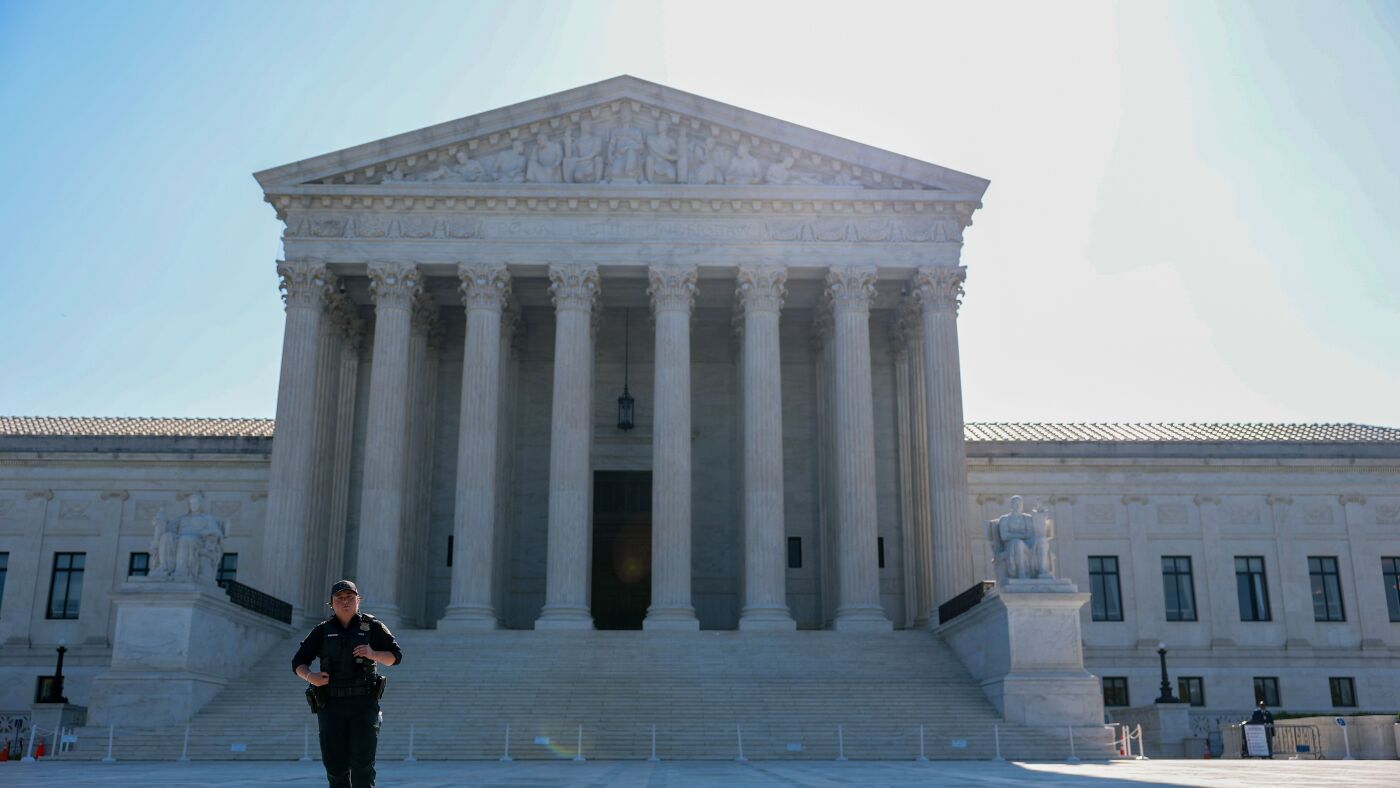 News54 minutes ago
What the Supreme Court did on the final day of its term
-

 Los Angeles, Ca2 hours ago
Los Angeles County man convicted of sex trafficking, abusing woman he was dating
-

 Detroit, MI3 hours ago
Detroit Tigers tee off on New York Yankees with 5 homers in win

